The world was shocked when Charlie Kirk, a well‑known conservative activist and founder of Turning Point USA, was fatally shot during a public event in Utah in September 2025.
Since then, questions, rumors, misinformation, and heated online debates have made this tragedy one of the most discussed political assassinations of recent years. With so much unverified information circulating, it can be hard to separate actual reporting from speculation.
In this article, we’ll walk you through what actually happened, what credible journalists and authorities have confirmed, how misinformation and conspiracy theories have spread, and why understanding the real sequence of events matters for everyone following this story. Let’s break down the facts, the noise, and the ongoing implications of this tragic event.
What Happened: The Shooting at Utah Valley University
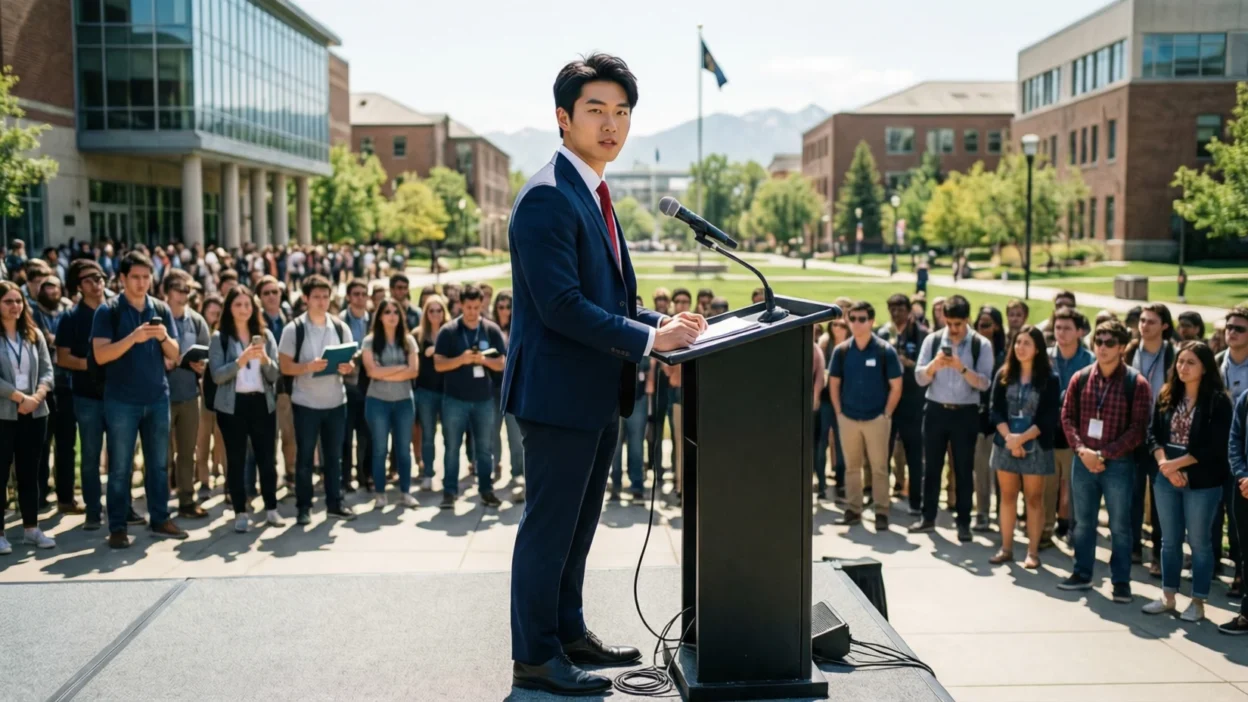
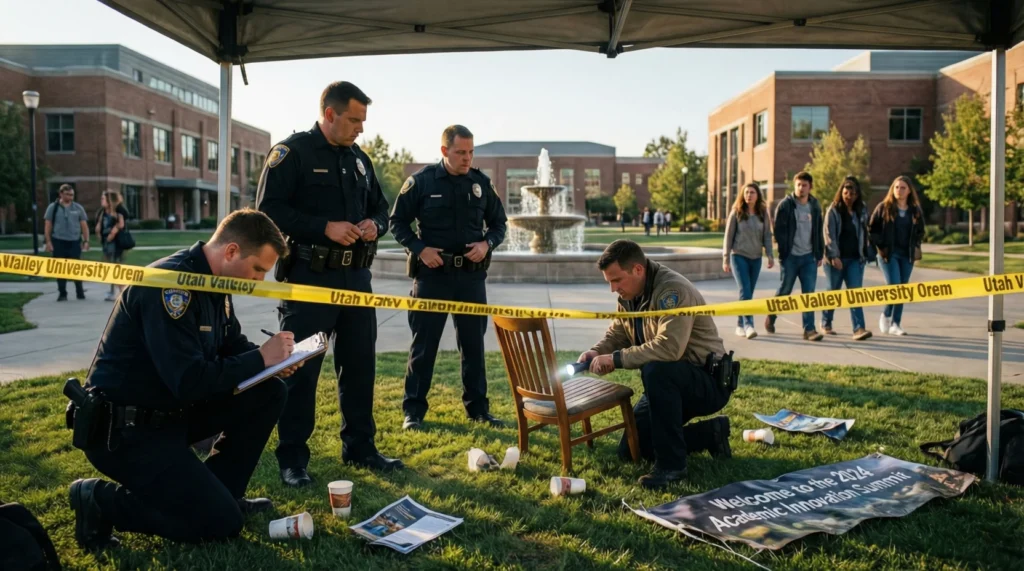
On September 10, 2025, Charlie Kirk was speaking at an outdoor event hosted by Turning Point USA at Utah Valley University in Orem, Utah, when a single shot rang out near the stage during a Q&A session. Video from bystanders captured the moment a bullet struck Kirk in the neck, causing severe bleeding and chaos among the crowd. He was immediately taken away by security and transported to a hospital. Law enforcement later confirmed that the wound was fatal and that Kirk died from the gunshot.
According to authorities, the shot was fired from some distance, possibly from a rooftop around 200 yards away. The FBI and local law enforcement treated the case as a targeted shooting and launched an extensive investigation into possible motives and suspect identification.
Given the public nature of the event — with hundreds of people present — footage of the incident spread quickly online. That, in turn, led to intense media attention and widespread discussion across news outlets and social platforms.
The Suspect, Arrest, and Legal Developments
After an intense investigation, 22‑year‑old Tyler Robinson was identified as the primary suspect in Kirk’s killing. Law enforcement arrested Robinson shortly after the shooting and charged him with aggravated murder and other serious felonies.
Robinson’s case has seen ongoing legal developments, including defense motions to disqualify certain prosecutors due to alleged conflicts of interest arising from personal connections to witnesses present at the scene. However, prosecutors have maintained that there is no legal basis to remove them from the case.
Court hearings have also included unusual moments, such as judges restricting media cameras during hearings to prevent issues like lip‑reading influencing proceedings.
Investigators have indicated that Robinson conducted numerous pre‑attack searches online and may have left writings suggesting planning and intent before the shooting, though motives are still under scrutiny.
Media Coverage: Serious Reporting and Early Confusion
From the beginning, mainstream news outlets treated the incident as a fatal shooting and assassination of a politically prominent figure. Major reports detailed the timeline of events, the suspect search, and law enforcement’s response.
However, because the event unfolded live and video footage was available almost instantly, early reporting on social media sometimes conflicted. Graphic clips appeared online before traditional media could verify details, leading to confusion and varying narratives.
While traditional outlets worked to confirm facts — such as the shooter’s identity and Kirk’s condition — the speed and scale of user‑generated content complicated the picture for audiences trying to understand what was happening in real time.
Misinformation, Rumors, and False Claims
Despite basic facts being established by authorities and major news outlets, misinformation spread rapidly online.
For example:
- Some social media posts claimed that certain graphic shooting videos were AI‑generated hoaxes or staged — a claim experts debunked as unfounded.
- Other posts falsely asserted that Charlie Kirk was still alive or that the shooting was entirely fabricated by news outlets or political opponents.
- Conspiracy theories circulated about Kirk’s bodyguards making secret signals, or that ring and clothing inconsistencies in footage proved the event was staged — again, without credible evidence supporting such claims.
- Outlandish speculations even tied in AI‑generated books with pre‑dated publication dates to claim foreknowledge of the shooting, which authorities and fact‑checkers clarified was a technical error unrelated to the event.
These contradictory and sensational claims highlighted how quickly misinformation can overwhelm factual reporting, especially when powerful personalities and politics are involved.
Public and Political Reaction
The reaction to Kirk’s shooting was intense and widespread:
- Politicians and public figures from across the spectrum condemned the violence and called for swift justice.
- Some commentators framed the assassination as a symbol of deepening political divisions in the United States.
- In some circles, the event sparked rhetoric about civil unrest — with extremist groups encouraging further violence, which authorities warned against.
Moreover, conservative activist Candace Owens drew additional attention by questioning details of some footage, though such remarks themselves attracted criticism for undermining verified reporting.
Impact on Media, Gaming, and Culture
The aftermath of the shooting also extended beyond news and politics:
- Rockstar Games, the developer of Grand Theft Auto, banned user‑generated mission content that depicted or referenced Kirk’s assassination, acknowledging the sensitivity around real‑world violence and content safety.
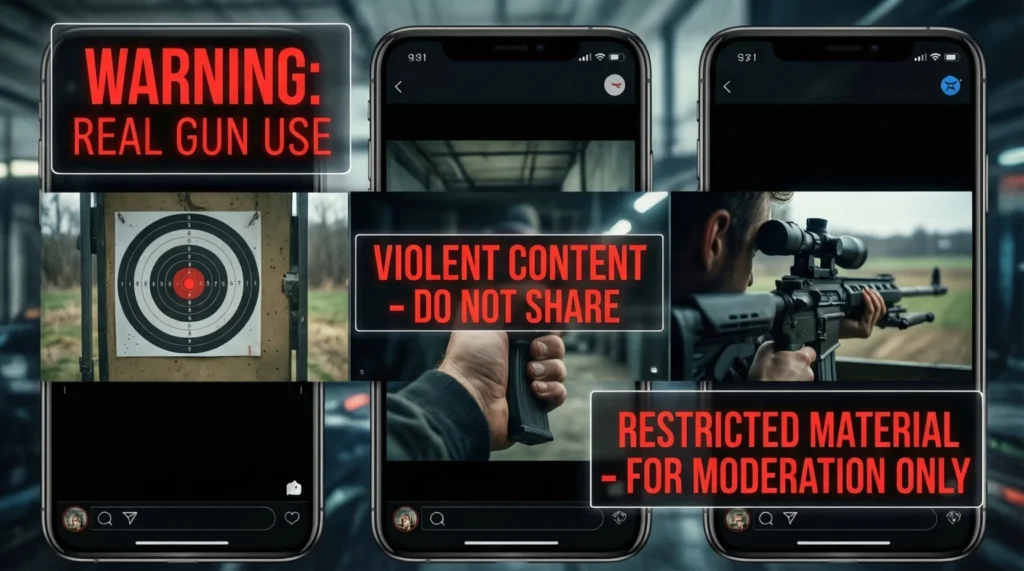
- Discussions about content moderation on social platforms grew louder as graphic footage spread without sufficient warnings, raising questions about how technology companies handle violent news events responsibly.
Additionally, ongoing conversations about political violence, civil discourse, and the safety of public figures continued in academic, journalistic, and policy circles.
Why This Matters: The Broader Context
The shooting of Charlie Kirk was not just a headline — it was an event with real consequences that reverberated across American society. As a prominent political activist and high‑profile voice in conservative media, his assassination:
- underscored the very real threats public figures can face,
- challenged how social media platforms manage real‑time violence reporting,
- sparked debate about political polarization and its dangers,
- and revealed how misinformation and conspiracy theories can cloud public understanding.
Understanding the difference between verified facts and rumors helps prevent confusion and encourages respectful dialogue about an event that affected thousands of people directly and millions indirectly.
Frequently Asked Questions (FAQs)
1. Was Charlie Kirk actually shot?
Yes. Charlie Kirk was fatally shot on September 10, 2025, while speaking at a public event at Utah Valley University.
2. Who is suspected of killing Charlie Kirk?
Law enforcement arrested 22‑year‑old Tyler Robinson, who faces multiple felony charges including aggravated murder.
3. Was the shooting live‑streamed or staged?
No credible evidence supports that the shooting was staged. Verified video footage and reporting confirm it was a real fatal incident.
4. Why did misinformation spread so quickly?
Graphic user‑generated videos and rapid social media sharing contributed to misinformation and rumors before traditional outlets could confirm details.
5. Are there any conspiracies that are true?
Most conspiracy theories around this shooting, such as fake videos or staged events, have been debunked by fact‑checking outlets and verified evidence.
Final Thought
What truly matters most in the aftermath of Charlie Kirk’s assassination is acknowledging the loss of human life and the impact on communities affected by violence.
While discussions about motive, politics, and implications will continue, sticking to reliable information and resisting the lure of unfounded speculation helps preserve clarity and respect for the truth.
As this case proceeds through the legal system and as more information becomes available, staying informed through verified sources will remain essential for anyone trying to understand the full story behind this tragic event.

Naz Fatima is an author at Saypadia who specializes in writing clear, relatable, and reader-friendly content about language, expressions, and modern terminology. She enjoys breaking down meanings with real-life context so readers can quickly understand and apply them. Naz’s work reflects a strong commitment to clarity, accuracy, and helping users find quick answers without confusion.