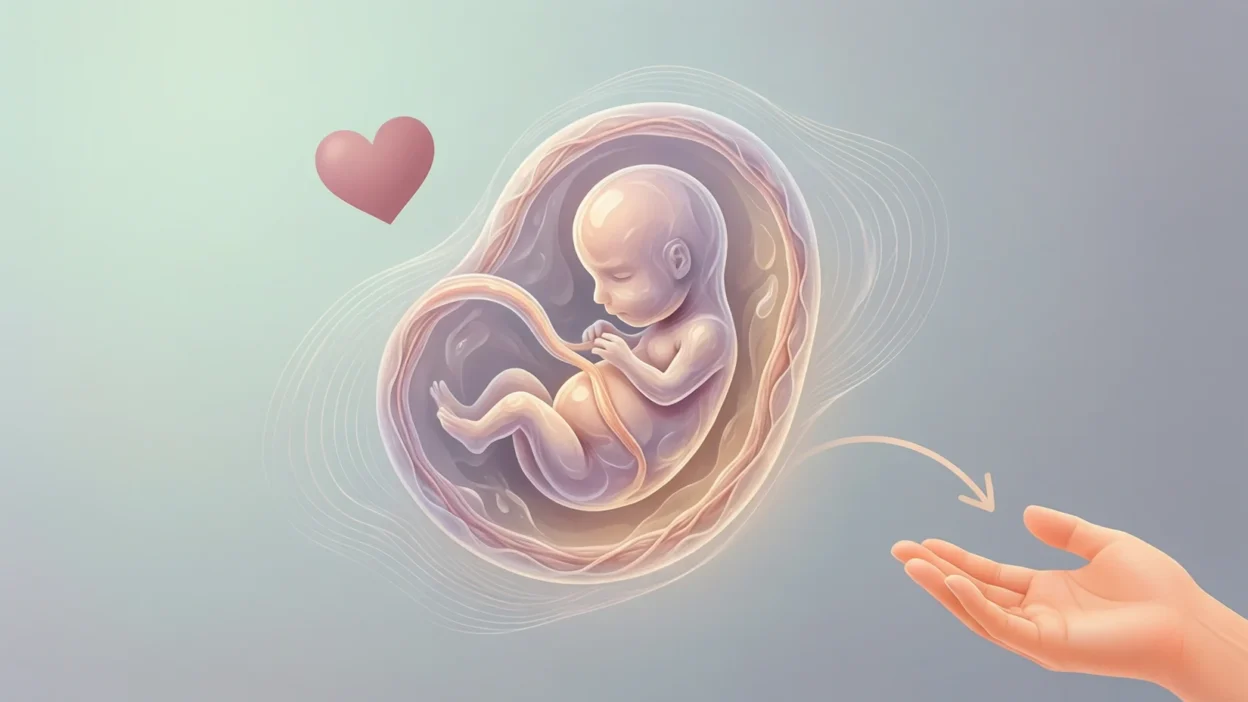
Finding information about miscarriage is often emotional, confusing, and overwhelming. Many people search this topic late at night after noticing unusual symptoms or hearing a friend share their experience online.
You might have seen someone mention miscarriage in a comment, a forum, or a private chat and wondered what it actually looks like in real life. The truth is, miscarriage doesn’t look the same for everyone. It can be quiet or sudden, mild or intense, and sometimes it happens without obvious signs at all. This guide explains everything in clear, simple language so you know what to expect and when to seek help.
Quick Answer
A miscarriage often looks like heavy vaginal bleeding with cramping, sometimes with blood clots or tissue, though symptoms vary depending on how far along the pregnancy is.
What Does a Miscarriage Mean in Simple Terms?
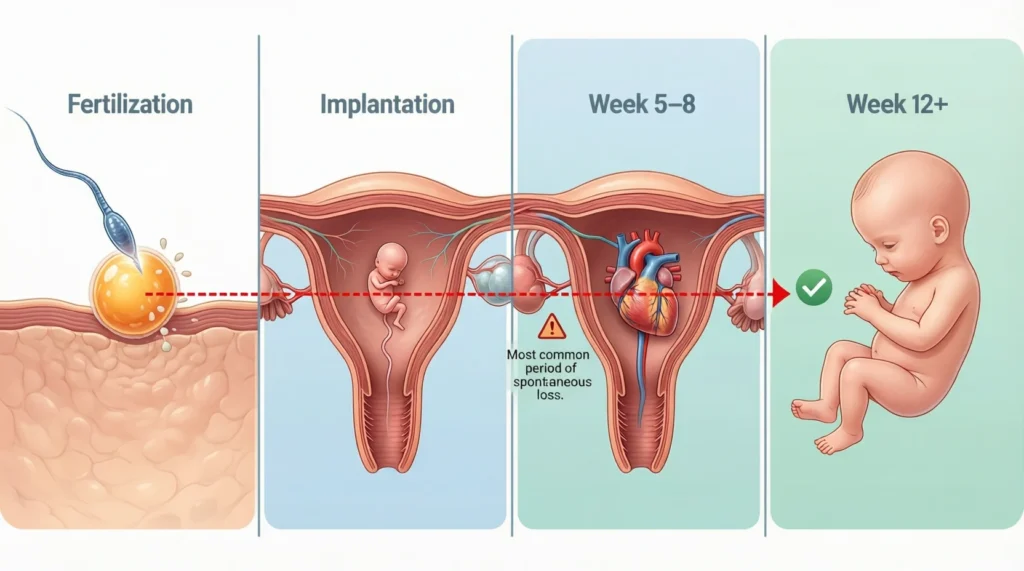
A miscarriage is the loss of a pregnancy before 20 weeks, most commonly in the first trimester (before 12 weeks). It usually happens because the pregnancy was not developing normally, often due to chromosomal issues that could not support life.
In plain English, it means the body stops the pregnancy naturally. It is not caused by something you did, and it is far more common than most people realize.
Short example:
“she thought it was a heavy period at first, but the doctor later confirmed it was a miscarriage.”
Bold takeaway: A miscarriage is an early pregnancy loss, and its physical signs can range from mild bleeding to heavy cramps and tissue passing.
What Does a Miscarriage Look Like Physically?
The physical experience depends largely on how many weeks pregnant someone is. Below is a clear breakdown.
Very Early Miscarriage (Before 6 Weeks)
- Often looks like a late, heavy period
- Dark or bright red bleeding
- Mild to moderate cramping
- Many people don’t realize it was a miscarriage
At this stage, there is usually no visible tissue, only heavier-than-normal bleeding.
Early Pregnancy Miscarriage (6–9 Weeks)
- Heavy bleeding that lasts several hours or days
- Stronger cramps than a normal period
- Blood clots
- Gray or pink tissue may appear
This is when many people first realize something is wrong.
Later First Trimester Miscarriage (10–12 Weeks)
- Intense cramping or contraction-like pain
- Heavy bleeding
- Noticeable tissue or pregnancy sac
- Lower back pain
This stage can be physically and emotionally intense and usually requires medical care.

Other Common Signs and Symptoms
Not everyone experiences all symptoms, but common ones include:
- Sudden loss of pregnancy symptoms (nausea, breast soreness)
- Pelvic pressure
- Clear or pink fluid discharge
- Feeling unwell or feverish (this needs urgent care)
Some miscarriages are missed miscarriages, meaning there are no outward signs, and the loss is discovered during an ultrasound.
Where People Usually Notice or Talk About This
People often search or discuss miscarriage experiences in:
- private text messages
- pregnancy apps
- online forums
- social media support groups
- doctor or hospital visits
The tone around this topic is usually serious, sensitive, and emotional, not casual or slang-based. It’s not something people joke about or use lightly in conversation.
Realistic Experience Examples (Simplified)
- “i thought it was spotting but the bleeding got really heavy”
- “the cramps felt worse than my period”
- “i passed clots and knew something wasn’t right”
- “the pain came in waves”
- “my pregnancy symptoms disappeared suddenly”
- “the doctor confirmed it after an ultrasound”
- “i didn’t even know i was pregnant yet”
These experiences vary widely, and none are “more valid” than others.
When to Seek Medical Help Immediately
You should seek urgent medical care if there is:
- bleeding that soaks a pad every hour
- severe or unbearable pain
- fever or chills
- dizziness or fainting
- foul-smelling discharge
These may signal complications such as infection or excessive blood loss.
When Bleeding Is Not a Miscarriage
Not all bleeding means miscarriage.
Can be normal:
- light spotting
- implantation bleeding
- cervical irritation
Needs checking:
- heavy bleeding
- ongoing pain
- clots or tissue
Only a medical professional can confirm what’s happening.
Do and Don’t Guide
Do
- seek medical advice if symptoms worry you
- rest and hydrate
- ask for emotional support
- follow up with a healthcare provider
Don’t
- blame yourself
- ignore severe symptoms
- rely only on online guesses
- rush emotional healing
Quick Comparison Table
| Context | Example | Why It Works or Not |
|---|---|---|
| spotting only | light bleeding, no pain | may be normal |
| heavy bleeding + cramps | soaked pads, pain | needs medical care |
| no symptoms | found on ultrasound | missed miscarriage |
| fever + pain | chills, strong pain | emergency situation |
Common Misunderstandings
- “Stress causes miscarriage” – normal stress does not
- “Exercise causes miscarriage” – typical activity does not
- “It means you can’t have kids” – many people conceive again
- “It’s rare” – miscarriage is common
About 1 in 4 pregnancies ends in miscarriage, often before someone knows they are pregnant.
Frequently Asked Questions
Is a miscarriage always painful?
No. Some are painless, especially very early or missed miscarriages.
Can a miscarriage look like a period?
Yes, especially before six weeks.
Can you miscarry without bleeding?
Yes. This is called a missed miscarriage.
How long does miscarriage bleeding last?
Anywhere from a few days to two weeks, depending on the case.
Can you get pregnant again after a miscarriage?
Yes. Many people go on to have healthy pregnancies.
Is medical treatment always needed?
Not always, but medical guidance is important to prevent complications.
Final Thought
A miscarriage can look like heavy bleeding, strong cramps, clots, or tissue, but no two experiences are the same. It is a natural medical event, not a personal failure.
Understanding the signs helps people know when to seek care and when to ask for support. If something feels wrong, trusting your instincts and contacting a healthcare provider is always the right step.

Robat Hood is a creative writer and contributor at Saypadia, focused on explaining trending words, slang, and cultural phrases in a simple and engaging way. With a sharp eye for modern language trends, Robat aims to make Saypadia a trusted place for understanding how words are used online and in daily conversations. His content is informative, approachable, and designed for readers of all levels.