
The first time many people hear about ticks is through a random post, a group chat, or a viral comment online. Someone shares a photo after a hike, another warns about their dog scratching nonstop, and suddenly everyone is asking the same question: what does a tick look like?
You might even notice a tiny dark spot on your skin and rush to search online, hoping it’s nothing serious. Ticks are small, sneaky, and easy to confuse with other things, which is why clear answers matter. This guide explains everything in simple terms so you can recognize a tick quickly and confidently.
Quick Answer:
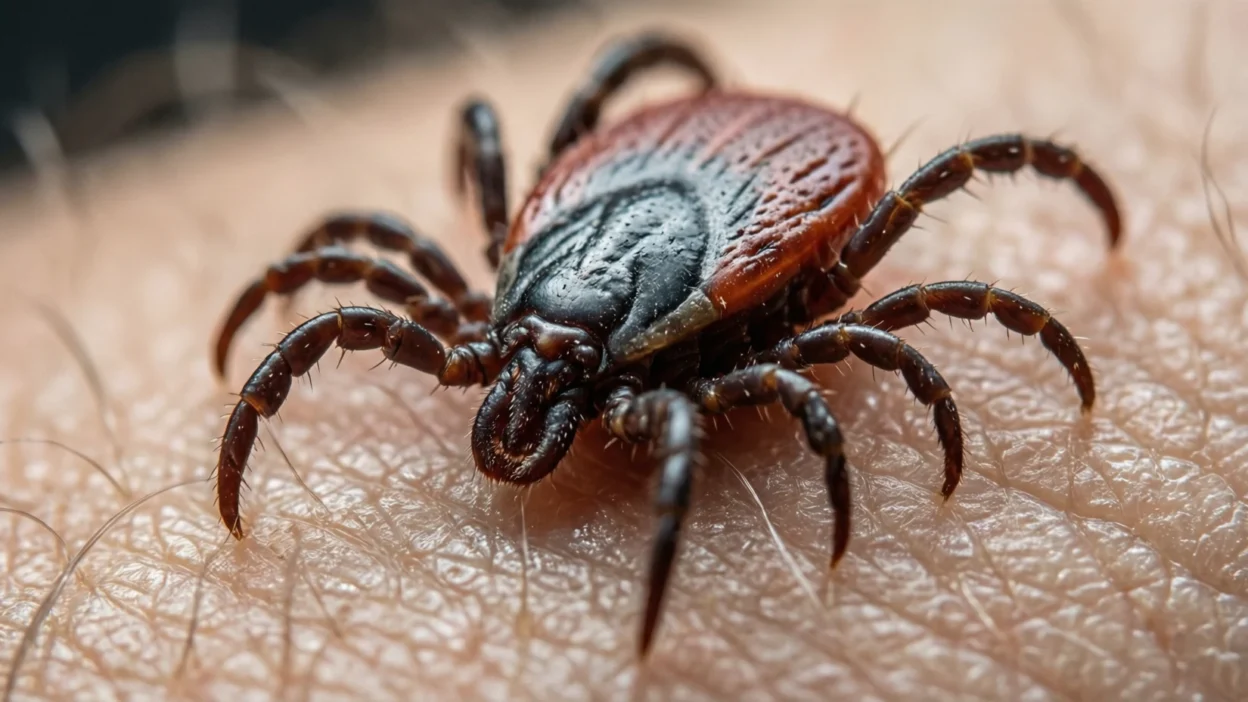
A tick looks like a tiny, round or oval bug with eight legs, flat before feeding and swollen and darker after feeding on blood.
What Does a Tick Look Like? (Simple Meaning Explained)
A tick is not text slang or a texting abbreviation. It’s a real-life parasite that feeds on blood from humans and animals. People often search for this term because they’ve seen something small on their skin, clothes, or pet and want to know if it’s dangerous.
Plain-English Explanation
- A tick is very small, sometimes smaller than a grain of rice
- It has eight legs, similar to a spider
- Its body is oval and flat before feeding
- After feeding, it becomes round, puffy, and darker
Ticks don’t fly or jump. They crawl slowly and attach firmly to the skin.
Why People Care About Identifying Ticks
- Tick bites often don’t hurt, so they go unnoticed
- Some ticks can carry diseases
- Early identification helps reduce health risks
Example Sentence:
“I found a tiny bug attached to my leg, and it turned out to be a tick.”
Bold Summary: A tick is a tiny eight-legged parasite that looks flat when unfed and swollen after feeding on blood.
Key Physical Features That Help You Spot a Tick
Knowing these visual clues makes identification much easier.
1. Size
- Unfed ticks can be as small as a poppy seed
- Fed ticks can grow to the size of a pea
2. Shape
- Flat and oval before feeding
- Round and balloon-like after feeding
3. Color
Ticks may appear:
- Brown
- Black
- Reddish-brown
- Gray or bluish after feeding
4. Legs
- Always 8 legs, which is a major clue
- Legs may be tucked close to the body
What Does a Tick Look Like at Different Life Stages?
Ticks change appearance as they grow.
Tick Life Stages
- Larva
- Extremely tiny
- Light-colored
- Hard to see
- Nymph
- About poppy-seed size
- Darker in color
- Most commonly responsible for bites
- Adult Tick
- Easier to see
- Larger body
- Clearly visible legs
Nymph ticks are the hardest to detect and often go unnoticed.
Where Ticks Are Commonly Found
Ticks live outdoors but can end up indoors through pets or clothing.
Common Outdoor Areas
- Tall grass
- Bushes and shrubs
- Forest trails
- Parks and backyards
Common Places on the Body
Ticks prefer warm, hidden areas:
- Behind knees
- Underarms
- Around waistbands
- Scalp and hairline
- Behind ears
Tone: Neutral and informational
This topic is usually discussed seriously rather than casually.
How People Talk About Ticks in Online Chats
Here are realistic, modern examples of how people discuss ticks online:
- “just found a tiny black bug on my leg, kinda freaking out”
- “ticks are really bad this summer, check yourself”
- “does a tick feel like a mole at first?”
- “they look like tiny spiders, don’t ignore them”
- “found one after camping, glad i caught it early”
- “ticks don’t hurt when they bite, that’s scary”
- “check your pets, they bring ticks inside”
- “if it won’t brush off, it might be a tick”
When to Use Caution and When Not to Panic
✅ Do This
- Check your body after outdoor activities
- Look closely at small dark spots
- Use a mirror for hard-to-see areas
- Remove ticks carefully with tweezers
❌ Don’t Do This
- Don’t assume every spot is a tick
- Don’t crush a tick with bare hands
- Don’t ignore a tick attached for hours
- Don’t panic without checking carefully
Context Comparison Table
| Context | Example Phrase | Why It Works or Doesn’t |
|---|---|---|
| hiking trip | “found a tiny bug attached to skin” | realistic tick exposure |
| indoors only | “random bump after shower” | less likely a tick |
| attached bug | “it wouldn’t come off” | strong tick sign |
| long-term spot | “same mark for years” | likely not a tick |
Ticks vs Other Bugs People Confuse Them With
Tick
- 8 legs
- Attaches firmly
- Slow-moving
Flea
- 6 legs
- Jumps quickly
- Common on pets
Spider
- 8 long legs
- Doesn’t attach to skin
- Larger body shape
Bed Bug
- Flat and oval
- Found in beds
- Doesn’t stay attached
Similar Things People Mistake for Ticks
| Item | What It Is | Key Difference |
|---|---|---|
| mole | skin mark | doesn’t move |
| scab | healing skin | flakes off |
| flea | jumping insect | very fast |
| mite | microscopic bug | too small to see |
| seed | plant debris | no legs |
FAQs About What a Tick Looks Like
1. Can you see a tick with your eyes?
Yes, but some ticks are extremely small and easy to miss.
2. Do ticks look like spiders?
Yes. Both have eight legs, but ticks have shorter legs and rounder bodies.
3. Can a tick look like a freckle?
At first glance, yes. But ticks have legs and texture.
4. Do tick bites hurt?
Most tick bites do not hurt, which is why they go unnoticed.
5. Are ticks common on pets?
Yes. Dogs and cats often carry ticks indoors.
6. What color are ticks usually?
They range from brown and black to gray after feeding.
Final Thought
Understanding what a tick looks like can make a big difference in staying safe. Ticks are tiny, quiet, and easy to confuse with harmless things like moles or dirt.
Once you know their size, shape, legs, and behavior, spotting one becomes much easier. In today’s outdoor and pet-friendly lifestyle, this knowledge is practical, important, and empowering.

Hadi Bhatti is a passionate writer and content creator at Saypadia, known for turning complex words, phrases, and internet slang into simple, easy-to-understand explanations. With a strong interest in language, meanings, and digital communication, Hadi focuses on helping readers understand what words really mean in everyday use. His writing style is clear, engaging, and user-focused, making learning both practical and enjoyable.