
You’re scrolling through a comment section, reading a tweet, or watching a YouTube video when you suddenly see someone say, “this feels like an ad.” Or maybe you notice the letters AD next to a post, a video, or a date in a history article.
You pause for a second because AD seems simple, but it shows up in so many places with different meanings. If you’ve ever wondered what does AD stand for and why people use it in different ways online and offline, you’re not alone. This article explains everything clearly, without jargon or confusion.
Quick Answer:
AD most commonly stands for Advertisement, but it can also mean Anno Domini in dates and has a few other context-based meanings.

What Does AD Stand For? (Main Meaning Explained)
The meaning of AD depends on where and how it’s used. That’s why people often feel confused when they see it in text, social media, or articles.
The Most Common Meaning: Advertisement
In modern digital life, AD usually means Advertisement.
An advertisement is content created to promote:
- A product
- A service
- A brand
- An app or website
You’ll often see AD used as a label to show that something is sponsored or paid for.
Example Sentence:
“This video is an ad for a skincare brand.”
Bold Summary: In everyday online use, AD most often stands for Advertisement.
What Does AD Mean on Social Media and in Text?
On social media platforms, AD is used for transparency. Creators are often required to label paid promotions.
Plain-English Explanation
When you see AD on:
- TikTok
- YouTube
- Twitter (X)
It means the creator is being paid or sponsored to promote something.
Why People Use “AD”
- To follow platform rules
- To be honest with followers
- To clearly mark sponsored content
Example Sentence:
“#ad loving this new phone case so far.”
Tone: Casual but informative
This use of AD is neutral and widely accepted.
What Does AD Stand For in History and Dates?
Outside of social media, AD has a completely different meaning.
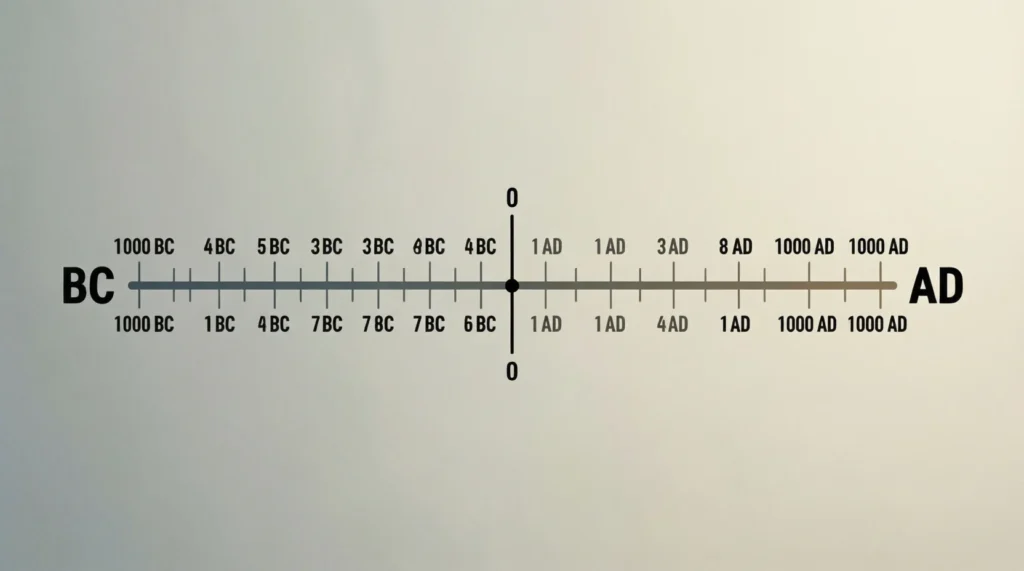
AD = Anno Domini
In historical and academic contexts, AD stands for Anno Domini, a Latin phrase meaning “in the year of our Lord.”
It’s used to label years after the birth of Jesus Christ.
How It Works
- AD 2026 means the year 2026 after Christ
- There is no year zero
- AD comes before the year number
Example Sentence:
“The Roman Empire fell in AD 476.”
Bold Summary: In history, AD stands for Anno Domini and is used to mark years after Christ’s birth.
Other Common Meanings of AD (Context Matters)
Depending on the situation, AD can stand for other things too.
Business and Work
- AD = Assistant Director
- AD = Active Directory (in IT)
Medicine
- AD = Alzheimer’s Disease
- AD = Atopic Dermatitis
Education
- AD = Associate Degree
These meanings are usually clear from context, especially in professional or academic settings.
Realistic Conversation Examples Using “AD”
Here are natural, modern examples of how people use AD in real conversations:
- “this post is clearly an ad”
- “she has to label it as ad, it’s sponsored”
- “that doesn’t feel genuine, feels like an ad”
- “ad break again? already?”
- “history class said it happened in ad 300”
- “he works as an ad in film production”
- “instagram requires creators to mark ads now”
- “the video was good until it turned into an ad”
When to Use and When Not to Use “AD”
Because AD has multiple meanings, context is everything.
✅ When You Should Use “AD”
- Labeling sponsored content
- Talking about marketing or promotions
- Referring to historical dates
- Using it in professional shorthand
❌ When You Should Not Use “AD”
- When the meaning isn’t clear
- In casual chat without context
- If it could confuse the reader
- When a full word is better
Context Comparison Table
| Context | Example Phrase | Why It Works or Doesn’t |
|---|---|---|
| instagram post | “#ad for this brand” | clear sponsorship |
| history book | “ad 1200” | correct usage |
| casual chat | “that’s ad” | unclear meaning |
| work email | “pls check ad” | confusing without detail |
Similar Words and Alternatives to “AD”
Here are common alternatives depending on meaning.
If You Mean Advertisement
| Word | Meaning | When to Use |
|---|---|---|
| ad | short for advertisement | casual use |
| promo | promotional content | marketing tone |
| sponsored | paid partnership | transparency |
| commercial | video or TV ad | media context |
If You Mean Historical Dates
| Term | Meaning | When to Use |
|---|---|---|
| CE | Common Era | neutral alternative |
| BCE | Before Common Era | before CE |
| AD | Anno Domini | traditional dating |
FAQs About “What Does AD Stand For?”
1. Does AD always mean advertisement?
No. It often does online, but not always.
2. What does AD mean on Instagram?
It means the post is sponsored or paid.
3. Is AD and commercial the same?
They’re similar, but commercials are usually video ads.
4. What does AD mean in dates?
It stands for Anno Domini, meaning after Christ’s birth.
5. Why do influencers use #ad?
To follow rules and be transparent with followers.
6. Is AD formal or informal?
It can be both, depending on context.
7. Is AD still commonly used in 2026?
Yes. It’s widely used in marketing, history, and daily communication.
Final Thought
So, what does AD stand for in 2026? Most of the time, it means Advertisement, especially in social media and online content. In history, it means Anno Domini, and in professional settings, it can have specialized meanings.
The key is always context. Once you know where and how it’s used, AD becomes easy to understand and impossible to confuse.

Hadi Bhatti is a passionate writer and content creator at Saypadia, known for turning complex words, phrases, and internet slang into simple, easy-to-understand explanations. With a strong interest in language, meanings, and digital communication, Hadi focuses on helping readers understand what words really mean in everyday use. His writing style is clear, engaging, and user-focused, making learning both practical and enjoyable.