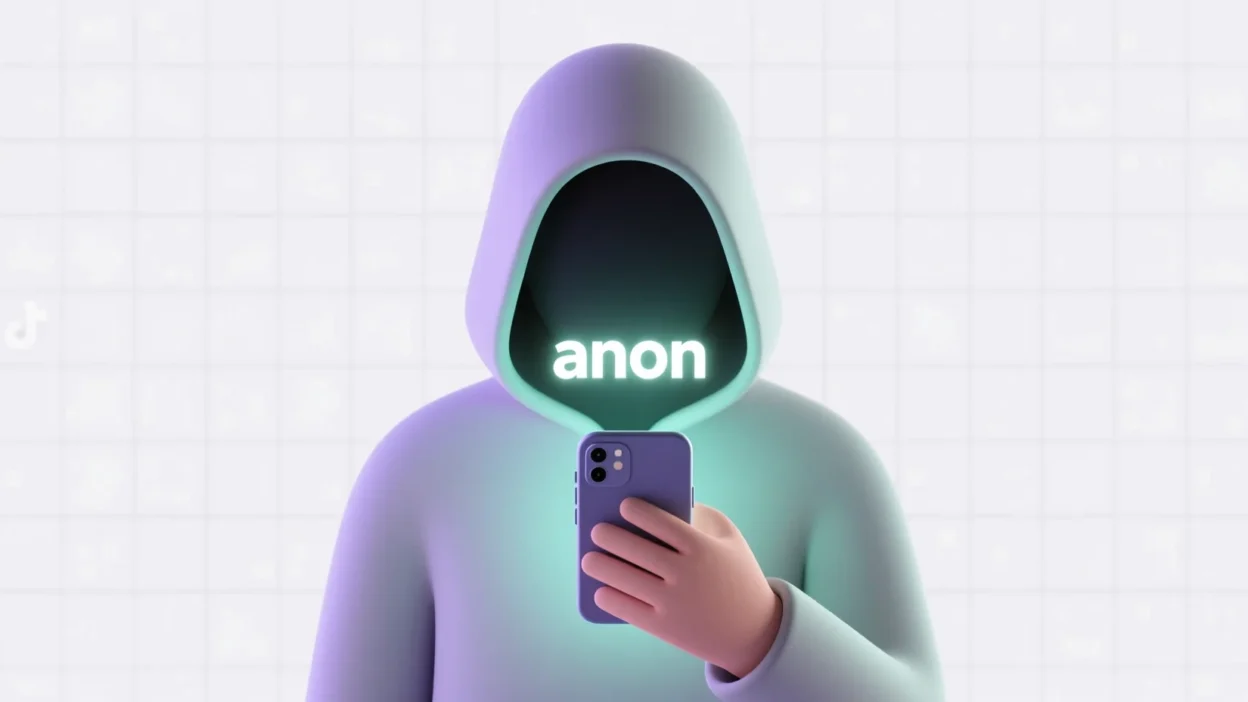
You’re scrolling through comments and see someone say “anon here” or “asked by anon.” It sounds secretive. Maybe even mysterious. If you’ve ever wondered what anon means and why people use it online, you’re in the right place.
Quick Answer:
Anon means “anonymous.” It’s a short way to say someone’s identity is hidden or unknown, especially online.
Let’s explain it in a simple, clear way.
What Does Anon Mean in Text?
In text language and online chat, anon is a shortened form of anonymous. People use it when they don’t want to share their name or identity.
Simplified meaning
- Anonymous
- Hidden identity
- Unknown person
Short example
“posted by anon”
In short:
anon = anonymous = no name or identity shown.
It’s about privacy.
Where Is “Anon” Commonly Used?
This term shows up a lot in online communities 👇
- 🧵 Forums – Reddit, image boards
- 📱 Social media – comments and DMs
- 📨 Question boxes – anonymous asks
- 🖥️ Blogs – unnamed commenters
- 💬 Chat platforms – hidden users
Tone & style
- ✅ Neutral
- ✅ Informational
- ❌ Not personal
- ❌ Not emotional
It works in both casual and semi-formal online spaces.
Examples of “Anon” in Conversation
Here are natural, lowercase examples you might see:
- “anon asked this question”
- “comment from anon”
- “posting as anon”
- “anon here, just my opinion”
- “sent by anon”
- “anon message”
It’s usually descriptive, not emotional.
When to Use and When Not to Use “Anon”
This word is mostly about context and privacy.
✅ When to Use It
- Hiding identity online
- Sharing opinions safely
- Referring to unknown users
- Anonymous posts
❌ When Not to Use It
- Face-to-face conversations
- Legal or official documents
- When identity matters
- Personal introductions
Context comparison table
| Context | Example Phrase | Why It Works |
|---|---|---|
| Online forum | “anon says…” | standard |
| Q&A box | “asked by anon” | clear |
| Comment section | “anon here” | casual |
| Legal form | ❌ using it | invalid |
| Personal chat | ❌ unclear | awkward |
Similar Words or Alternatives
Depending on the situation, these may fit better.
| Term | Meaning | When to Use |
|---|---|---|
| anonymous | unnamed | formal |
| unknown | not identified | neutral |
| user | generic person | general |
| guest | unnamed visitor | websites |
| hidden | concealed identity | descriptive |
Each one serves a slightly different purpose.
FAQs About “Anon”
1. Is anon slang?
It’s a shortened word, not slang.
2. Is anon rude?
No. It’s neutral.
3. Can anyone be anon?
Yes. Anyone can choose anonymity.
4. Is anon common online?
Very common, especially in forums.
5. Is it formal?
It’s semi-formal. Not slangy.
6. Can it be used in texting?
Yes, but mostly when referring to anonymity.
7. Does it mean fake?
No. It means unnamed, not fake.
Final Thoughts
Now you know what anon means and why it’s used so often online. It’s a simple way to talk about anonymity and privacy in digital spaces.
When someone says they’re anon, they’re choosing to stay unknown—and that’s pretty common on the internet.

Hadi Bhatti is a passionate writer and content creator at Saypadia, known for turning complex words, phrases, and internet slang into simple, easy-to-understand explanations. With a strong interest in language, meanings, and digital communication, Hadi focuses on helping readers understand what words really mean in everyday use. His writing style is clear, engaging, and user-focused, making learning both practical and enjoyable.


