
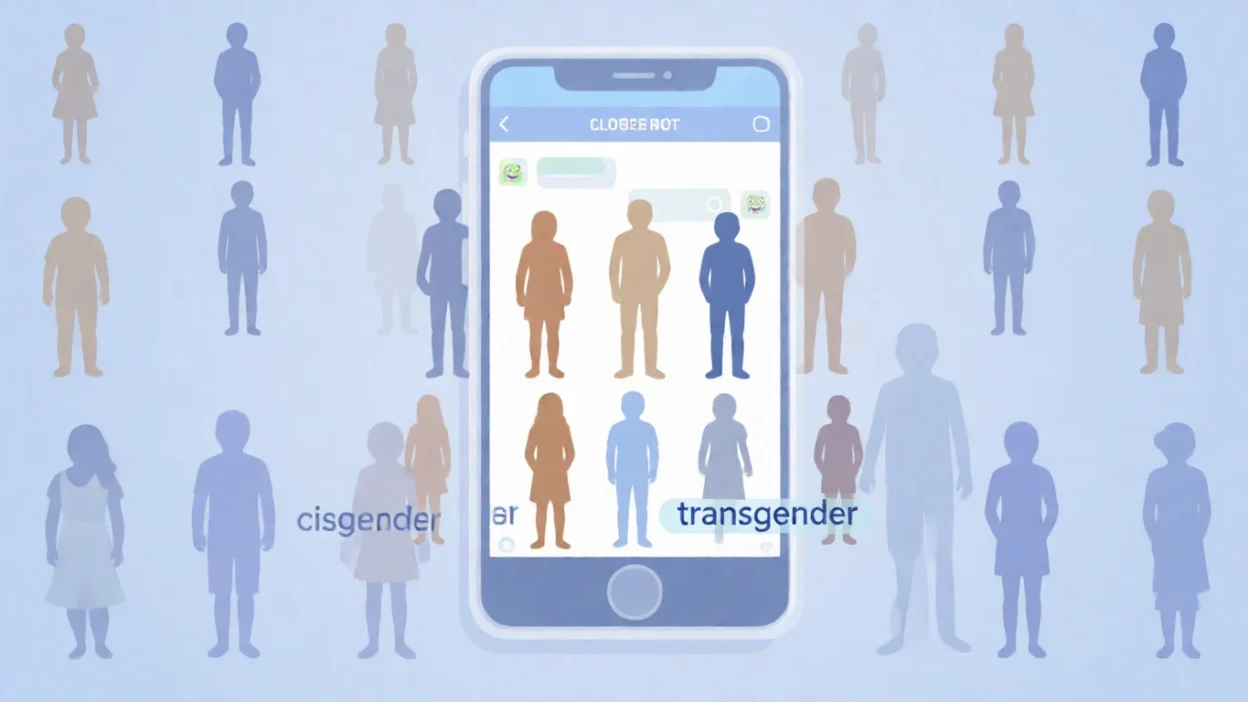
You might see the word cis in a bio, an article, or a comment online and pause. It’s short, but it feels important. Is it slang? A label? Or something about identity? You’re not alone. Cis is a common term today, and understanding it helps conversations make more sense.
Quick Answer: What does cis mean?
Cis means “cisgender.” It describes a person whose gender identity matches the sex they were assigned at birth.
Let’s explain it clearly and respectfully.
What Does Cis Mean?
Cis is short for cisgender.
A cisgender person:
- Was assigned male or female at birth
- Identifies as that same gender
For example:
- Assigned female at birth → identifies as a woman = cis woman
- Assigned male at birth → identifies as a man = cis man
Simplified meaning
- Cis = not transgender
- Gender matches birth assignment
- It’s a descriptive term, not an insult
Short example
“he identifies as cis”
In short: cis = cisgender = gender matches sex at birth.
Where Is Cis Commonly Used?
You’ll usually see cis in informative or identity-related contexts.
Common places include 👇
- 🧑🤝🧑 Online profiles & bios
- 📚 Articles & education
- 💬 Social media discussions
- 🏫 School or university topics
- 🧠 Mental health or identity talks
Tone check
- ✅ Neutral
- ✅ Informational
- ❌ Slang
- ❌ Insult
It’s a neutral descriptor, like left-handed or right-handed.
Examples of Cis in Conversation
Here are natural examples to show how cis is used.
- “she’s a cis woman”
- “he identifies as cis”
- “the study included cis and trans participants”
- “i’m cis and learning more about gender”
- “this applies to cis people too”
- “cis people were surveyed”
- “being cis doesn’t mean you have no struggles”
The tone is factual and respectful.
When to Use and When Not to Use Cis
Using the term correctly matters.
✅ When to Use Cis
- Educational discussions
- Identity descriptions
- Inclusive conversations
- Research or articles
❌ When Not to Use Cis
- As an insult
- In jokes or mockery
- To label someone without context
- In heated arguments
Context comparison table
| Context | Example Phrase | Why It Works |
|---|---|---|
| Education | “cis and trans identities” | accurate |
| Profile bio | “cis woman, she/her” | descriptive |
| Article | “cis participants” | neutral |
| Insult | ❌ “you’re just cis” | disrespectful |
| Argument | ❌ “because you’re cis” | dismissive |
Cis vs Trans (Simple Comparison)
Here’s a quick, respectful comparison.
| Term | Meaning |
|---|---|
| Cis (cisgender) | Gender matches birth assignment |
| Trans (transgender) | Gender differs from birth assignment |
Both are valid identities. One is not better than the other.
FAQs About Cis Meaning
1. What does cis mean?
It means cisgender, where gender identity matches assigned sex.
2. Is cis a bad word?
No. It’s a neutral term.
3. Is cis the opposite of trans?
Yes, in terms of gender identity.
4. Is cis slang?
No. It’s a formal descriptor.
5. Can someone choose to be cis?
No. It describes identity, not a choice.
6. Is cis used in medical terms?
Yes, sometimes in research and healthcare.
7. Should I call someone cis?
Only when relevant and respectful.
Final Thoughts
Now you know what does cis mean. It’s a neutral term used to describe people whose gender identity matches the sex they were assigned at birth. It’s not slang, not an insult—just a way to be clear and inclusive in conversations about gender.

Robat Hood is a creative writer and contributor at Saypadia, focused on explaining trending words, slang, and cultural phrases in a simple and engaging way. With a sharp eye for modern language trends, Robat aims to make Saypadia a trusted place for understanding how words are used online and in daily conversations. His content is informative, approachable, and designed for readers of all levels.