You’re watching a movie, scrolling social media, or sitting in a basic safety class, and suddenly someone shouts, “start CPR!” Everyone seems to understand the urgency except maybe you.
You’ve heard the term before, but you pause and think, what does CPR actually stand for? That moment of confusion is more common than you think. CPR is one of those terms everyone recognizes, yet many people don’t fully understand what it means or why it matters. Let’s break it down clearly, simply, and without medical jargon.
Quick Answer:
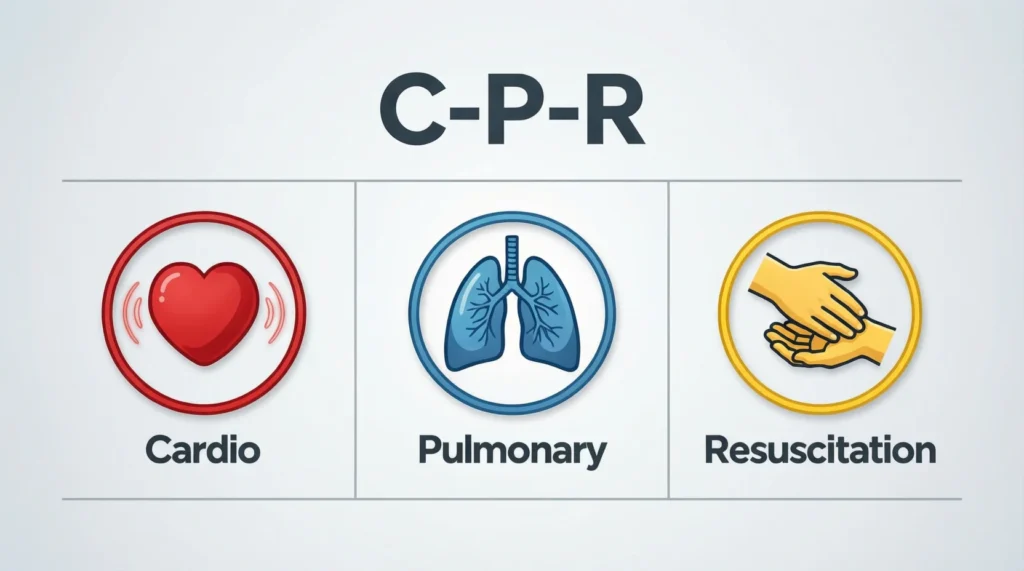
CPR stands for Cardiopulmonary Resuscitation, a life-saving emergency procedure used when someone’s heart or breathing stops.
What Does CPR Mean? (Simple Explanation)
CPR is a medical emergency technique used to keep blood and oxygen flowing when a person’s heart stops beating or they stop breathing.
Full Form of CPR
- C = Cardio (heart)
- P = Pulmonary (lungs)
- R = Resuscitation (reviving someone)
In plain English, CPR helps keep someone alive until professional medical help arrives.
Example Sentence:
“the operator told me to start cpr until the ambulance arrived.”
Bold Summary: CPR means Cardiopulmonary Resuscitation, a method used to save lives in emergencies.
Why Is CPR So Important?
CPR can be the difference between life and death.
Why It Matters
- Keeps oxygen flowing to the brain
- Prevents permanent brain damage
- Buys time until emergency responders arrive
- Can double or triple survival chances
Brain damage can begin within 4–6 minutes without oxygen. CPR helps slow that process.
When Is CPR Used?
CPR is used only in specific emergency situations.
Common Situations Where CPR Is Needed
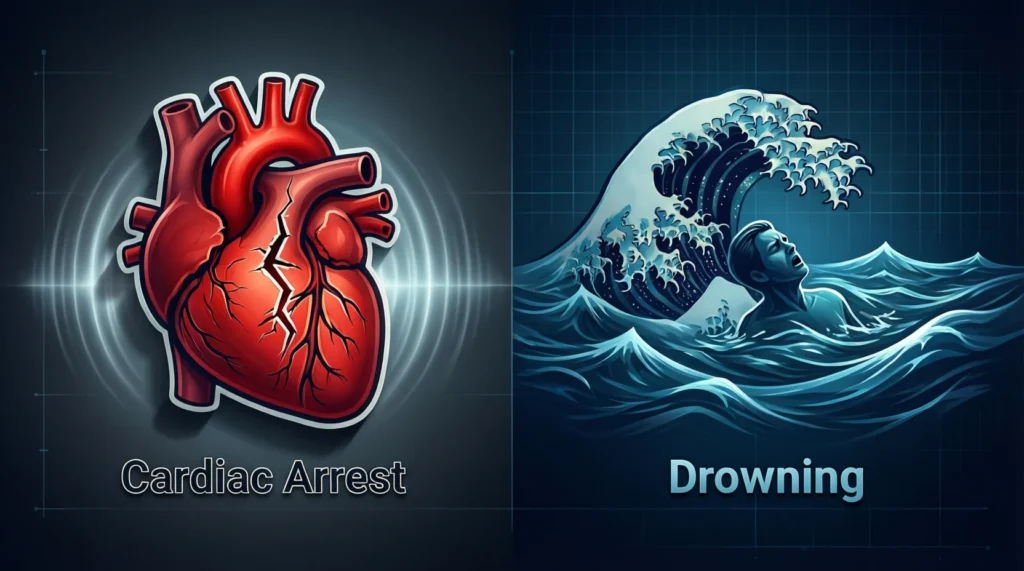
- Cardiac arrest
- Drowning
- Severe allergic reactions
- Electric shock
- Drug overdose
- Choking emergencies
If a person is unresponsive and not breathing normally, CPR may be needed.
What Does CPR Look Like in Real Life?
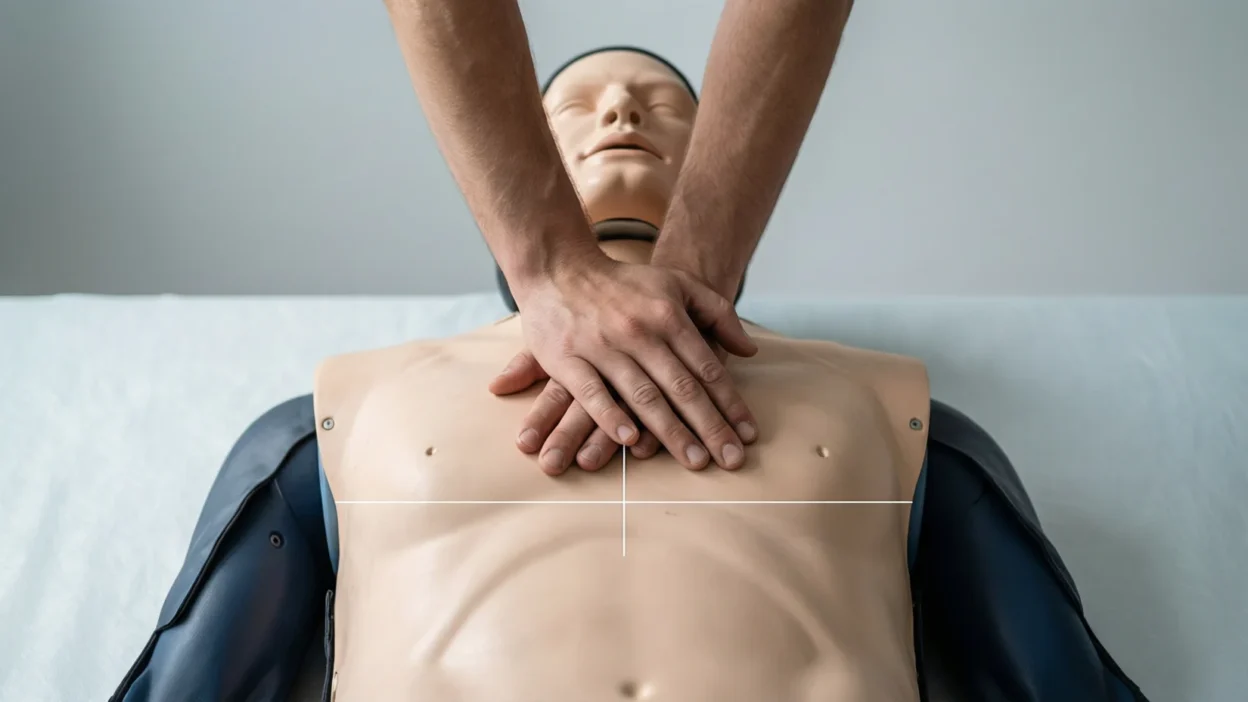
CPR involves chest compressions, and sometimes rescue breaths, depending on training.
Basic CPR Actions
- Pressing hard and fast on the chest
- Keeping a steady rhythm
- Allowing the chest to rise between compressions
Many guidelines now emphasize hands-only CPR for untrained bystanders.
CPR in Texting and Online Conversations
Outside of medical settings, CPR can also appear in casual conversation, news, or social media.
Common Online Uses
- News stories
- Emergency videos
- Safety posts
- Awareness campaigns
Tone: Serious and urgent
CPR is not slang and is never casual or joking.
CPR vs First Aid: What’s the Difference?
People often mix these up.
| Term | Meaning | Purpose |
|---|---|---|
| CPR | reviving heart and lungs | life-saving |
| first aid | basic medical help | injury care |
| AED | shock device | restart heart |
| rescue breathing | breathing support | oxygen supply |
CPR is one specific part of emergency response.
Who Should Learn CPR?
Honestly—almost everyone.
People Who Benefit Most From CPR Training
- Parents
- Teachers
- Coaches
- Babysitters
- Security staff
- Everyday adults
You don’t need to be a medical professional to learn CPR.
Is CPR Hard to Learn?
Not at all.
Learning Facts
- Basic CPR can be learned in a few hours
- Many courses are available online and in person
- Hands-only CPR is simple and effective
- Practice builds confidence
Knowing CPR empowers you to act instead of freeze.
Common Myths About CPR
Let’s clear up a few misunderstandings.
- ❌ CPR always saves lives
- ❌ CPR is only for doctors
- ❌ You can’t do CPR without training
- ❌ CPR is dangerous to try
Trying CPR is better than doing nothing in an emergency.
FAQs About “What Does CPR Stand For?”
1. Does CPR always include mouth-to-mouth?
No. Hands-only CPR is often recommended.
2. Can CPR break ribs?
It can happen, but saving a life is more important.
3. Is CPR safe to perform?
Yes. It’s designed to help, not harm.
4. Can kids learn CPR?
Yes. Many programs teach CPR to teens and older kids.
5. Is CPR used for heart attacks?
It’s used for cardiac arrest, which can result from a heart attack.
6. How long should CPR be done?
Until help arrives or the person responds.
7. Is CPR still important in 2026?
Absolutely. It remains a critical life-saving skill.
Final Thought
So, what does CPR stand for? It stands for Cardiopulmonary Resuscitation, a powerful life-saving technique that keeps blood and oxygen moving when it matters most.
You may never need to use CPR but if the moment comes, knowing what it is and why it matters could help save a life. That knowledge alone makes CPR one of the most important things to understand.

Hadi Bhatti is a passionate writer and content creator at Saypadia, known for turning complex words, phrases, and internet slang into simple, easy-to-understand explanations. With a strong interest in language, meanings, and digital communication, Hadi focuses on helping readers understand what words really mean in everyday use. His writing style is clear, engaging, and user-focused, making learning both practical and enjoyable.