If you’ve ever searched dental pain online after a tooth extraction, chances are you’ve seen the term “dry socket” pop up in comments, forums, or a late-night Google spiral. Maybe someone warned you not to smoke, use straws, or rinse too hard, and suddenly you’re worried something’s wrong.
Dry socket sounds scary, and honestly, it can be painful but understanding what it actually looks like makes it much less confusing. Let’s walk through it in simple, clear language so you know what’s normal and what’s not.
Quick Answer
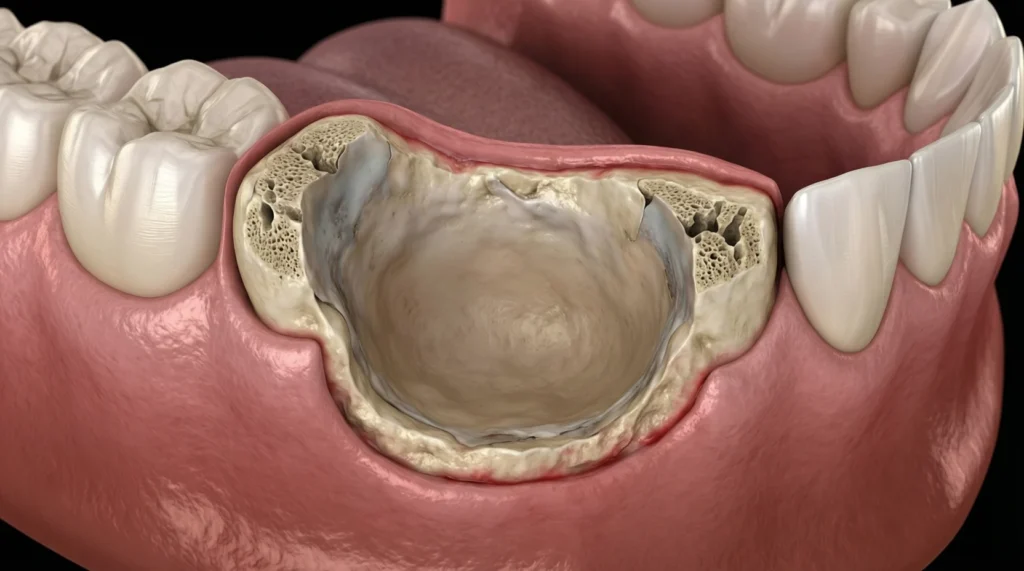
Dry socket looks like an empty or grayish tooth socket with little or no blood clot, often accompanied by severe pain and a bad smell.
What Does Dry Socket Mean in Simple Terms?
Dry socket, also called alveolar osteitis, is a dental condition that can happen after a tooth is removed, especially wisdom teeth. Normally, a blood clot forms in the empty socket to protect the bone and nerves while the area heals.
Dry socket happens when that blood clot:
- dissolves
- falls out
- never forms properly
Without the clot, the bone and nerves are exposed, which causes pain and delays healing.
Example sentence:
“my extraction hurt way more after three days, and the dentist said it was dry socket.”
Bold summary: Dry socket is when the protective blood clot is missing, leaving the tooth socket exposed and painful.
What Does Dry Socket Look Like?
Visually, dry socket can look very different from a normal healing socket.
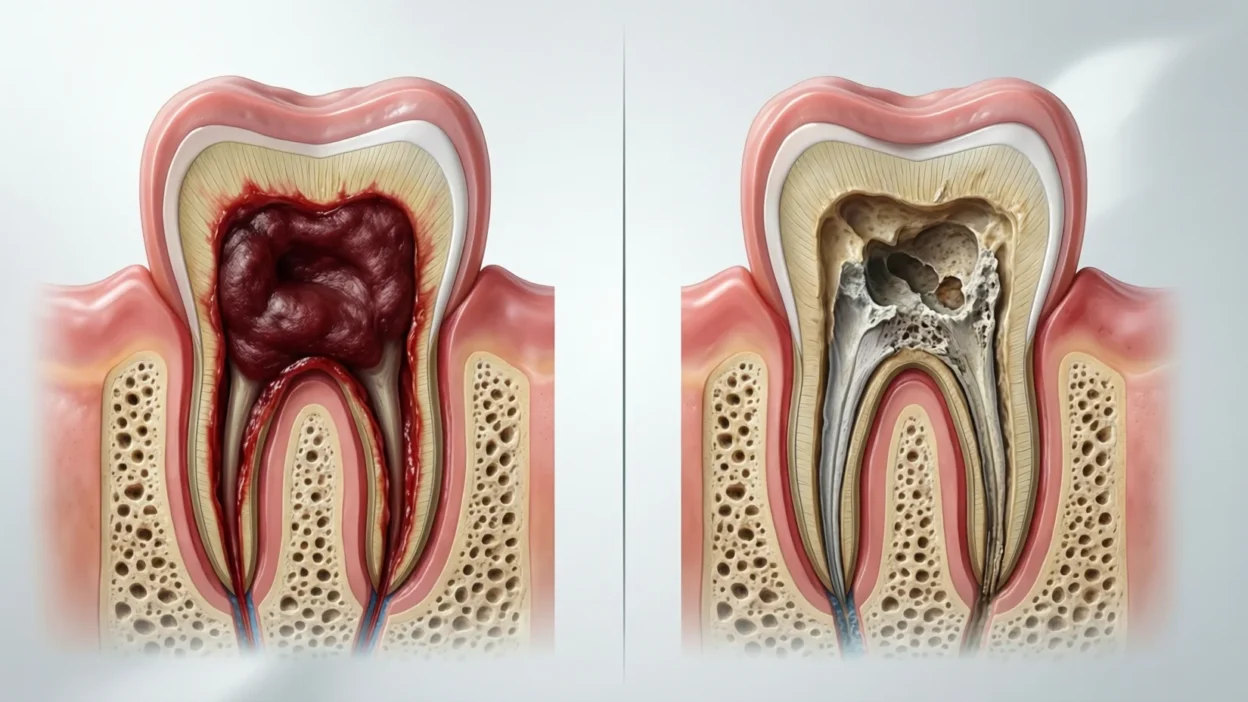
A Normal Healing Socket Looks Like:
- dark red or brown blood clot
- socket looks filled
- mild swelling
- pain slowly improves each day
A Dry Socket Often Looks Like:
- an empty-looking hole
- grayish or whitish bone visible
- little or no blood clot
- dry appearance instead of moist
- inflamed or irritated edges
You might notice it while brushing, rinsing gently, or checking the area in the mirror.
Other Common Signs and Symptoms
Dry socket isn’t just about how it looks—it’s also about how it feels.
Common symptoms include:
- severe pain starting 2–4 days after extraction
- pain spreading to the ear, jaw, or neck
- bad breath that won’t go away
- unpleasant taste in the mouth
- swelling around the socket
- pain that gets worse instead of better
If the pain suddenly increases after initial improvement, that’s a major red flag.

Where People Usually Notice or Talk About Dry Socket
Dry socket is commonly discussed in:
- dental aftercare instructions
- google searches after tooth extraction
- reddit and dental forums
- group chats after wisdom tooth surgery
- dentist and oral surgeon visits
The tone around dry socket is usually serious and concerned, not casual. It’s a real medical issue, not slang or exaggeration.
Realistic Experience Examples
Here’s how people often describe it online or in chats:
- “it was fine for two days then the pain exploded”
- “i looked inside and saw bone”
- “the hole looked empty and dry”
- “the smell was awful”
- “pain meds stopped working”
- “ear pain started out of nowhere”
- “dentist fixed it right away”
These experiences are common and valid.
When to Use Concern vs When It’s Normal Healing
Normal After Extraction:
- mild to moderate pain
- swelling that improves daily
- visible blood clot
- soreness when chewing
Possible Dry Socket:
- increasing pain after day two
- empty or gray socket
- bad smell or taste
- pain spreading beyond the mouth
Quick Comparison Table
| Situation | What It Looks Like | Why It Matters |
|---|---|---|
| normal healing | dark clot present | protected healing |
| dry socket | empty or bone visible | nerves exposed |
| early pain | improves daily | normal recovery |
| worsening pain | spreads to ear | needs treatment |
When to Seek Dental Care Immediately
You should contact a dentist if:
- pain suddenly gets worse
- you see bone in the socket
- pain reaches your ear or jaw
- bad breath won’t go away
- painkillers stop working
Dry socket is treatable, but it needs professional care.
What Causes Dry Socket?
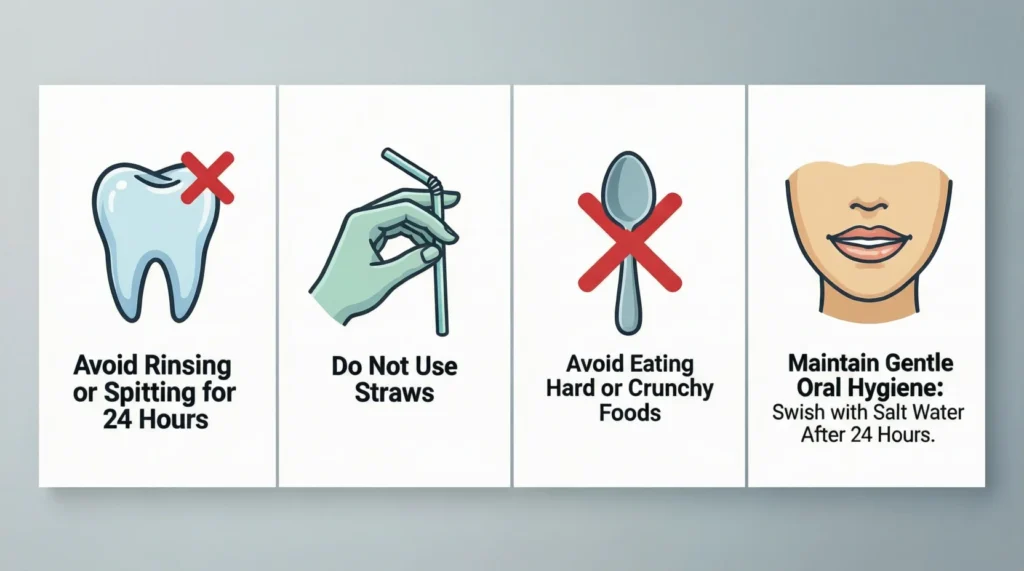
Some common causes include:
- smoking or vaping
- using straws
- aggressive rinsing or spitting
- touching the socket
- poor oral hygiene
- difficult extractions
Following aftercare instructions greatly lowers the risk.
Frequently Asked Questions
Is dry socket dangerous?
It’s painful but not life-threatening when treated properly.
How soon does dry socket appear?
Usually 2–4 days after tooth removal.
Can you see dry socket yourself?
Sometimes, yes—especially if bone is visible.
Does dry socket heal on its own?
It usually needs dental treatment to heal properly.
How long does dry socket last?
With treatment, pain improves within days.
Can antibiotics fix dry socket?
Treatment usually involves cleaning and medicated dressings, not just antibiotics.
Final Thought
Dry socket looks like an empty or gray tooth socket without a blood clot, and it often comes with intense pain and bad breath. While it can be alarming, it’s also very treatable once a dentist steps in. If your pain gets worse instead of better after an extraction, trust your instincts and get checked. Early care makes a big difference.

Robat Hood is a creative writer and contributor at Saypadia, focused on explaining trending words, slang, and cultural phrases in a simple and engaging way. With a sharp eye for modern language trends, Robat aims to make Saypadia a trusted place for understanding how words are used online and in daily conversations. His content is informative, approachable, and designed for readers of all levels.