

At some point, almost everyone wonders this. You might see a comment online asking, “what does god look like?” or hear it in a late night conversation, a movie scene, or even a meme. Some people picture an old man in the sky.
Others imagine light, energy, or something beyond human form. The question keeps coming back because it touches curiosity, faith, culture, and imagination all at once. The truth is, there isn’t one single answer—but there are many meaningful ways people understand it.
Quick Answer:
God doesn’t have one physical look—different religions and people describe God in symbolic, spiritual, or human-like ways based on belief and culture.
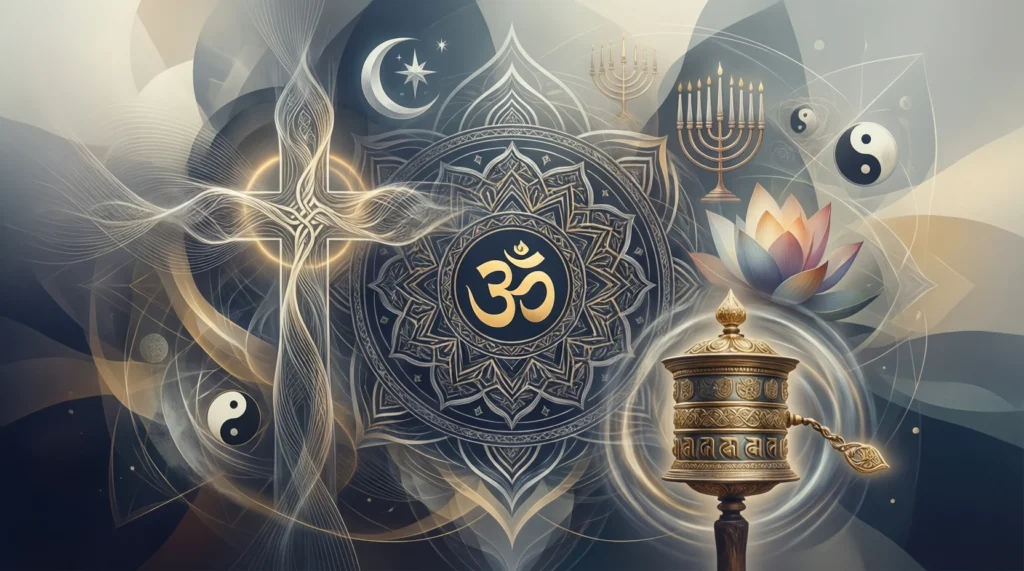
What Does God Look Like According to Beliefs?
There is no confirmed physical appearance of God. Most religions teach that God is beyond human form and cannot be fully seen or understood with human eyes.
Plain-English Explanation
When people describe what God looks like, they’re usually using symbols or metaphors, not literal descriptions. These images help humans understand something that is believed to be greater than the physical world.
Example:
“some people imagine god as light because light represents goodness.”
Bold Summary: God is usually described symbolically, not as a physical being with a fixed appearance.
How Different Religions Describe God’s Appearance
Christianity
- Often shown as an older man with a beard in art
- This is symbolic, not a literal description
- The Bible says no one has fully seen God
Islam
- God (Allah) is not given any physical form
- Visual depictions are not allowed
- God is described through attributes like mercy and power
Judaism
- God has no physical body
- Descriptions are metaphorical
- Focus is on God’s actions, not appearance
Hinduism
- God can appear in many forms
- Different deities represent different aspects
- Forms are symbolic and spiritual
Each belief system approaches the idea differently, but most agree God is beyond human shape.
Why Do People Imagine God Differently?
People imagine God based on:
- Culture and upbringing
- Religious teachings
- Art, movies, and books
- Personal experiences
- Human need to visualize ideas
The human brain naturally tries to picture things—even abstract ones.
Common Symbolic Images of God
Instead of a physical body, God is often symbolized as:
- Light or brightness
- A powerful presence
- A voice or feeling
- Energy or consciousness
- Love or goodness
These symbols help people connect emotionally rather than visually.
Realistic Ways People Talk About God’s Appearance
Here are common, natural ways people describe it in conversation:
- “i think god is more like energy”
- “god doesn’t look human to me”
- “some people picture god as light”
- “i don’t think god has a face”
- “everyone imagines god differently”
- “god is more a feeling than a form”
- “art just helps people understand god”
These reflect modern, thoughtful discussions rather than fixed answers.
Does God Have a Physical Form?
Views That Say No
- God is spiritual, not physical
- A physical form would limit God
- God exists beyond space and time
Views That Say Sometimes
- God may appear in forms humans can understand
- Forms are temporary or symbolic
- Used to communicate with people
Comparison Table
| Viewpoint | Description | Why It Makes Sense |
|---|---|---|
| no form | god is spirit | beyond physical limits |
| symbolic form | light or energy | easier to imagine |
| human-like art | teaching tool | helps understanding |
God in Art, Media, and Pop Culture
Movies, paintings, and social media often show God as:
- An old man in white robes
- A glowing light
- A voice from the sky
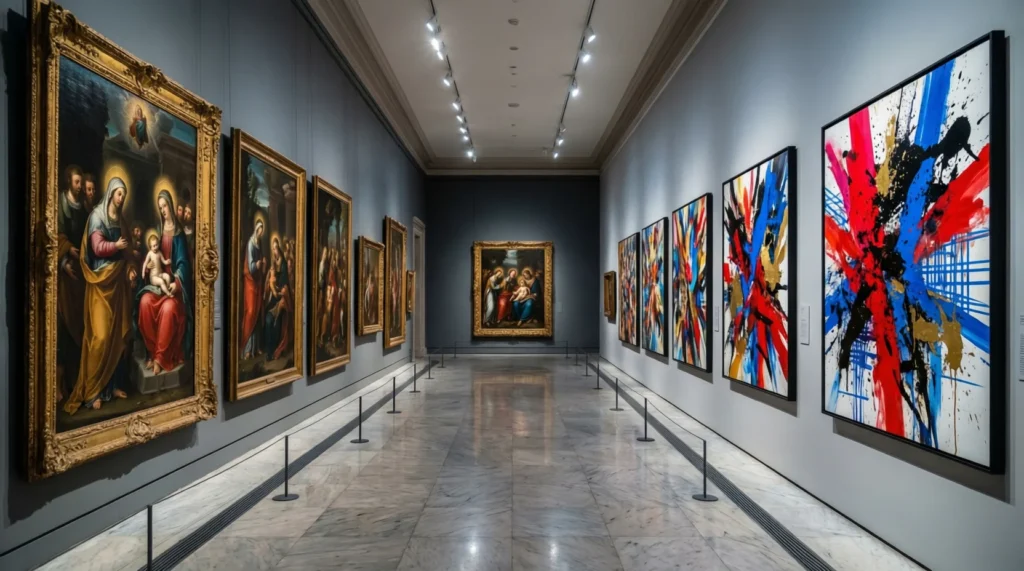
These are artistic interpretations, not religious facts. They exist to tell stories, not define reality.
FAQs About “What Does God Look Like?”
1. Has anyone actually seen God?
Most religions say no one has fully seen God.
2. Why is God often shown as a man?
That comes from historical art and culture, not belief rules.
3. Is it wrong to imagine God?
No. Many people visualize God in personal ways.
4. Does God have a face?
Beliefs vary, but many say God has no physical face.
5. Why do religions avoid images of God?
To prevent misunderstanding or limiting God’s nature.
6. Can God appear differently to different people?
Many believe yes, through symbols or feelings.
7. Is God supposed to look human?
Most teachings say God is beyond human form.
Final Thought
So, what does God look like? There’s no single picture or physical answer. For some, God is light. For others, a presence, a voice, or a feeling of peace.
Across religions and cultures, God is usually understood as beyond human appearance, expressed through symbols rather than shape. The idea isn’t about how God looks but what God represents.

Robat Hood is a creative writer and contributor at Saypadia, focused on explaining trending words, slang, and cultural phrases in a simple and engaging way. With a sharp eye for modern language trends, Robat aims to make Saypadia a trusted place for understanding how words are used online and in daily conversations. His content is informative, approachable, and designed for readers of all levels.