
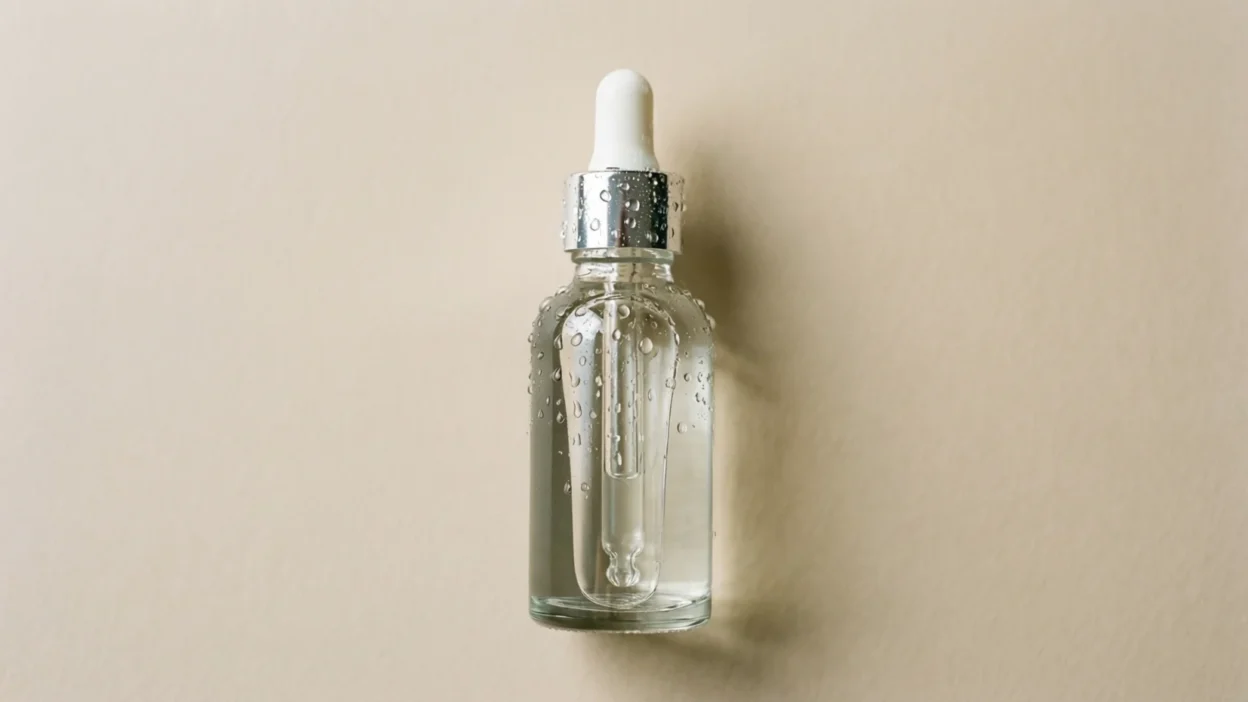
The first time many people hear about hyaluronic acid, it’s usually while scrolling skincare videos or reading the label on a moisturizer. Someone swears it made their skin “plump overnight,” and suddenly the name is everywhere.
It sounds scientific and intimidating, so it’s easy to assume it’s some harsh chemical. In reality, hyaluronic acid is something your body already makes naturally. Once you understand what it does and why it’s so popular, it becomes one of the easiest skincare ingredients to understand and use.
Let’s break it down in simple, everyday language.
Quick Answer:
Hyaluronic acid helps your skin and joints hold moisture, keeping them hydrated, smooth, and cushioned.
What Does Hyaluronic Acid Do?
Hyaluronic acid is a substance found naturally in your body, especially in your skin, eyes, and joints. Its main job is to hold onto water.
One single molecule of hyaluronic acid can hold up to 1,000 times its weight in water. That’s why it’s famous for hydration.
Plain-English Meaning
Hyaluronic acid acts like a sponge. It pulls in moisture and keeps tissues soft and hydrated.
Why It’s Important
- Keeps skin smooth and plump
- Prevents dryness
- Helps joints move smoothly
- Supports eye moisture
Simple Example
“this serum has hyaluronic acid to keep skin hydrated.”
Bold takeaway: Hyaluronic acid’s main role is locking in moisture to keep skin and joints healthy.
How Hyaluronic Acid Works in the Skin
When applied to the skin, hyaluronic acid:
- Pulls water from the air or deeper skin layers
- Holds that moisture on the surface
- Makes skin look fuller and smoother
It doesn’t exfoliate or bleach the skin. It simply hydrates.
That’s why it’s safe for most skin types, including sensitive skin.
Benefits of Hyaluronic Acid for Skin
This ingredient is popular for a reason. Here’s what it actually does.
Key Skin Benefits
- Deep hydration without heaviness
- Reduces the look of fine lines
- Makes skin feel soft and bouncy
- Helps makeup sit better
- Supports the skin barrier
It works well for:
- Dry skin
- Oily skin
- Acne-prone skin
- Aging skin
Hydrated skin tends to look healthier overall.
What Hyaluronic Acid Does for Joints and Body
Hyaluronic acid isn’t just for skincare.
In the Body, It Helps:
- Lubricate joints
- Cushion bones
- Reduce friction during movement
- Support healing
This is why it’s also found in joint supplements and medical treatments.
Where Is Hyaluronic Acid Commonly Used?
You’ll see hyaluronic acid in many products and treatments.
Common Uses
- Face serums
- Moisturizers
- Eye creams
- Lip balms
- Injectable fillers
- Joint supplements
- Eye drops
Tone of the Term
- Scientific
- Medical
- Skincare-focused
It’s not slang and not casual chat language, but it’s very common online.
Real-Life Usage Examples
Here’s how people naturally talk about hyaluronic acid:
- “my skin loves hyaluronic acid in winter”
- “this serum has hyaluronic acid for hydration”
- “i use it before moisturizer”
- “hyaluronic acid helps my dry skin a lot”
- “it makes my skin feel plump”
- “dermatologist recommended hyaluronic acid”
- “it’s gentle enough for sensitive skin”
How to Use Hyaluronic Acid Correctly
Using it the right way makes a big difference.
Best Practices
- Apply on slightly damp skin
- Seal it with a moisturizer
- Use morning and night
- Pair with sunscreen during the day
Common Mistakes
- Using it on very dry skin without moisturizer
- Expecting instant anti-aging results
- Overusing too many products at once
Quick Comparison Table
| Product Type | Example | Why It Works |
|---|---|---|
| serum | hyaluronic acid serum | deep hydration |
| moisturizer | cream with HA | locks moisture |
| eye drops | HA eye drops | relieves dryness |
| filler | injectable HA | adds volume |
Hyaluronic Acid vs Other Hydrating Ingredients
People often compare it with other skincare ingredients.
- Glycerin: also hydrates but feels heavier
- Ceramides: protect skin barrier
- Niacinamide: balances oil and tone
- Retinol: treats aging, not hydration
Hyaluronic acid’s main strength is moisture retention, not exfoliation or brightening.
FAQ: Common Questions About Hyaluronic Acid
Is hyaluronic acid safe?
Yes. It’s naturally found in the body and safe for most people.
Can oily skin use hyaluronic acid?
Yes. It’s lightweight and non-greasy.
Does hyaluronic acid cause acne?
No. It hydrates without clogging pores.
Can I use it every day?
Yes. Daily use is recommended.
Is hyaluronic acid anti-aging?
It helps reduce the appearance of fine lines by hydrating skin.
Does it work instantly?
Skin often feels hydrated right away, but long-term benefits build over time.
Can I mix it with other products?
Yes. It pairs well with most skincare ingredients.
Final Thought
Hyaluronic acid sounds complicated, but its job is simple. It helps your skin and joints stay hydrated, smooth, and comfortable.
Whether you’re dealing with dry skin, early fine lines, or just want a healthy glow, this ingredient fits easily into most routines. Once you understand what it does, it’s easy to see why it’s one of the most trusted ingredients in modern skincare and health.

Hadi Bhatti is a passionate writer and content creator at Saypadia, known for turning complex words, phrases, and internet slang into simple, easy-to-understand explanations. With a strong interest in language, meanings, and digital communication, Hadi focuses on helping readers understand what words really mean in everyday use. His writing style is clear, engaging, and user-focused, making learning both practical and enjoyable.