You’re scrolling through comments or chatting with a friend when you see “imo” slipped into a sentence like it’s no big deal. Maybe someone wrote, “imo this movie was overrated,” and you paused for a second wondering what it actually meant. Don’t worry—IMO is one of the most common pieces of internet slang, especially in texting and social media. Once you understand it, you’ll notice how often people use it to share thoughts without sounding too harsh or bossy.
Quick Answer
IMO means “In My Opinion,” and it’s used to show that what someone is saying is a personal view, not a fact.
What Does IMO Mean in Text?
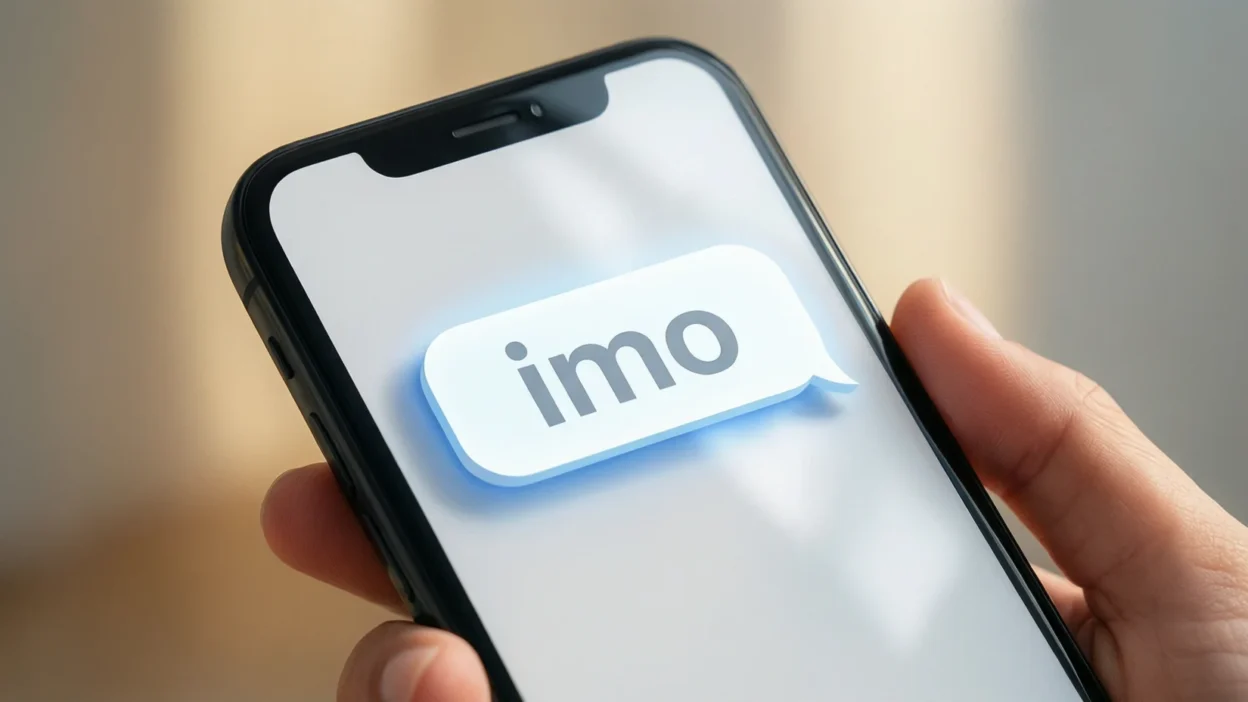
IMO is a popular texting abbreviation that stands for “In My Opinion.” People use it to soften their statements and make it clear they’re sharing a personal thought rather than stating something as absolute truth.
In simple terms, it means:
“this is just how i feel or think.”
People use IMO because:
- it sounds polite
- it avoids arguments
- it shows respect for other opinions
- it fits casual online conversations
Example sentence:
“imo that was the best episode of the season.”
Bold summary: IMO signals that a statement is personal opinion, not a proven fact.
Where Is It Commonly Used?
IMO is extremely common in informal and semi-casual online spaces.
You’ll often see it in:
- text messages
- group chats
- instagram and facebook comments
- x (twitter) posts
- reddit discussions
- youtube comments
- gaming chats
The tone of IMO is usually casual to neutral. It can even help make disagreements sound calmer and more respectful.

Realistic Conversation Examples
Here’s how IMO looks in real online conversations:
- “imo that update made things worse”
- “imo coffee tastes better iced”
- “this show is overrated imo”
- “imo we should wait till tomorrow”
- “imo he handled that really well”
- “imo android battery life is better”
- “imo the ending was confusing”
All of these show personal opinions without sounding aggressive.
When to Use and When Not to Use IMO
Use IMO When:
- sharing your personal opinion
- disagreeing politely
- discussing subjective topics
- commenting online or texting friends
Don’t Use IMO When:
- stating proven facts
- writing formal reports or documents
- giving instructions or rules
- clarity and authority are required
Quick Comparison Table
| Context | Example Phrase | Why It Works or Doesn’t |
|---|---|---|
| opinion | “imo this cafe is better” | polite and clear |
| debate | “imo that strategy won’t work” | softens disagreement |
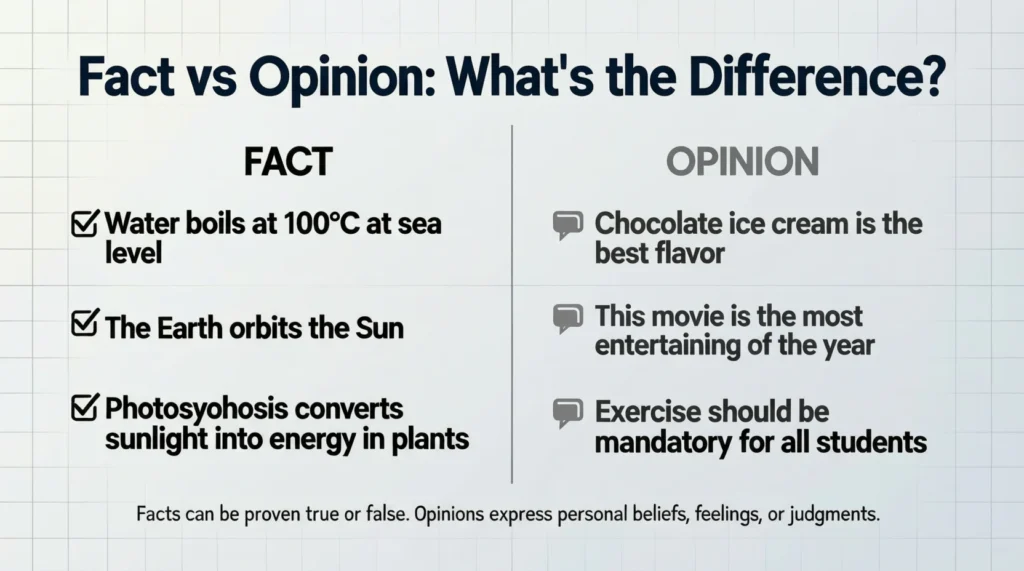
| fact | “imo the earth is round” | facts don’t need opinions |
| formal writing | “imo sales increased” | too informal |
Similar Slang and Alternatives
Here are some common alternatives to IMO and when to use them:
- IMHO – in my honest opinion, slightly stronger
- Personally – more conversational
- I think – simple and direct
- From my view – softer tone
- In my view – slightly more formal
- To me – casual and friendly
Each option helps express opinions with different levels of formality.
Common Misunderstandings About It
Some people think:
- IMO makes an opinion weak (it doesn’t)
- IMO means uncertainty (not exactly)
- IMO is rude (it’s usually polite)
It actually helps reduce conflict in online discussions.
Frequently Asked Questions
Is IMO slang?
Yes. It’s modern internet and texting slang.
Is IMO rude?
No. It’s usually respectful and polite.
Can IMO be used professionally?
It’s better suited for casual or semi-casual settings.
Is IMO different from IMHO?
Yes. IMHO adds emphasis on honesty.
Who uses IMO the most?
People of all ages who text or use social media.
Is IMO used worldwide?
Yes. English speakers across the internet use it.
Final Thought
It is a small abbreviation with a big role in online communication. It helps people share thoughts without sounding pushy or argumentative.
If you want to express an opinion while keeping the conversation friendly, IMO is one of the easiest and most effective tools in modern texting culture.

Robat Hood is a creative writer and contributor at Saypadia, focused on explaining trending words, slang, and cultural phrases in a simple and engaging way. With a sharp eye for modern language trends, Robat aims to make Saypadia a trusted place for understanding how words are used online and in daily conversations. His content is informative, approachable, and designed for readers of all levels.