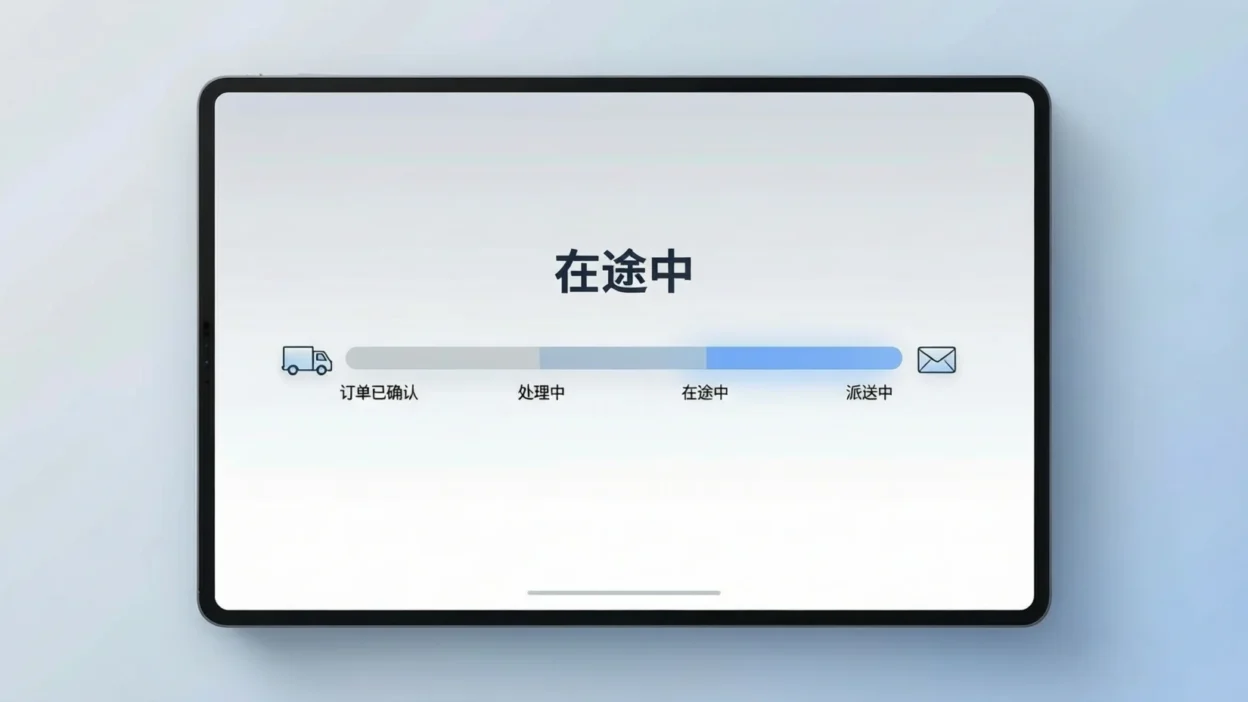
The first time many people see the phrase “in transit”, it’s usually while tracking a package online. You’re excited, you check the delivery status, and instead of “delivered,” you see those two words. In transit. It sounds official and a little vague. Is it close? Is it delayed? Is it lost? The phrase also pops up in travel updates, shipping emails, airport announcements, and even work messages. It’s common, but not everyone fully understands what it actually means. Let’s clear it up in the simplest way possible.
Quick Answer:
In transit means something is currently on the way from one place to another but hasn’t arrived yet.
What Does In Transit Mean?
In transit means that an item, person, or shipment is moving between locations. It has left its starting point but has not yet reached its final destination.
This phrase is often used for packages, deliveries, travel, and logistics. It tells you that progress is happening, even if you can’t see it yet.
Plain-English Meaning
If something is in transit, it’s on the road, in the air, or moving through the system.
Why People Use This Term
- To show progress without promising arrival
- To update status clearly
- To avoid confusion about delays
- To sound neutral and professional
Simple Example
“your order is in transit and should arrive tomorrow.”
Bold takeaway: In transit means something is on its way but hasn’t arrived yet.
Where Is “In Transit” Commonly Used?
You’ll see in transit in many everyday situations, both online and offline.
Common Places You’ll See It
- Package tracking pages
- Shipping and delivery emails
- Airport and travel updates
- Logistics and warehouse systems
- Work or business communication
- Customs and border updates
Tone of the Phrase
- Neutral
- Professional
- Informational
It’s not slang and not casual texting language, but it’s very common in digital communication.
In Transit in Package Tracking
This is the most common use today.
When your package status says in transit, it usually means:
- The package left the warehouse
- It’s moving between facilities
- It may be on a truck, plane, or ship
- It hasn’t reached your local delivery center yet
Sometimes a package can stay in transit for hours or even days, especially during long-distance shipping or customs checks.
In Transit in Travel and Transportation
The phrase is also widely used for people.
Examples in Travel
- A passenger is in transit between connecting flights
- Luggage is in transit to the next airport
- A traveler is in transit through another country
In travel, it usually means a temporary stop, not the final destination.
Real-Life Conversation Examples
Here are realistic examples written in natural, modern language:
- “my package still says in transit”
- “the flight was delayed, but we’re in transit now”
- “your order is in transit to the local hub”
- “the documents are in transit and should arrive soon”
- “he’s in transit between cities today”
- “my luggage got stuck in transit”
- “the shipment is in transit overseas”
In all cases, the meaning stays the same: on the way, not there yet.
When to Use and When Not to Use “In Transit”
✅ Use In Transit When:
- Tracking packages or shipments
- Talking about travel or movement
- Giving status updates
- Communicating professionally
❌ Don’t Use In Transit When:
- You mean something is already delivered
- You’re chatting casually with friends
- You want to describe a final result
- Simpler words like “on the way” fit better
Quick Comparison Table
| Context | Example Phrase | Why It Works / Doesn’t |
|---|---|---|
| package tracking | “your order is in transit” | clear status update |
| travel | “baggage is in transit” | correct usage |
| casual chat | “food is in transit lol” | ❌ sounds too formal |
| delivery complete | “item delivered” | better than in transit |
Similar Words and Alternatives
Sometimes, in transit can sound too formal. Here are simpler alternatives.
Common Alternatives
- On the way – casual and friendly
- Being shipped – clear for deliveries
- En route – formal but shorter
- Moving – very general
- Out for delivery – closer to arrival
Each option fits a different tone and situation.
Why “In Transit” Can Take So Long
People often worry when a package stays in transit for days. This can happen because:
- Long-distance shipping
- Customs inspections
- Weather delays
- Holidays or weekends
- Logistics center backups
In most cases, in transit does not mean lost. It just means movement is still happening.
FAQ: Common Questions About In Transit
Does in transit mean delayed?
Not always. It usually means normal movement unless stated otherwise.
Can a package be in transit for days?
Yes. Especially for international or long-distance shipments.
Does in transit mean it’s close?
Not necessarily. It could still be far from the destination.
Is in transit the same as out for delivery?
No. Out for delivery means it’s coming that day.
Can people be in transit?
Yes. Travelers and passengers are often described as in transit.
Is in transit a formal term?
Yes. It’s neutral and professional.
Final Thought
In transit is a simple but important phrase in modern communication. It tells you that something is moving, progress is happening, and arrival is coming but not yet.
Whether you’re tracking a package, traveling, or waiting on important documents, understanding this term helps reduce confusion and stress. Once you know what it means, those status updates make a lot more sense

Naz Fatima is an author at Saypadia who specializes in writing clear, relatable, and reader-friendly content about language, expressions, and modern terminology. She enjoys breaking down meanings with real-life context so readers can quickly understand and apply them. Naz’s work reflects a strong commitment to clarity, accuracy, and helping users find quick answers without confusion.