You might hear the word “indigenous” in the news, at school, or on social media. Maybe it’s used to talk about people, culture, land, or traditions. You pause and think, Does this mean native? Original? Or something else? You’re not alone.
Indigenous is a powerful word, and understanding it helps you better understand history and culture.
Quick Answer: What does indigenous mean?
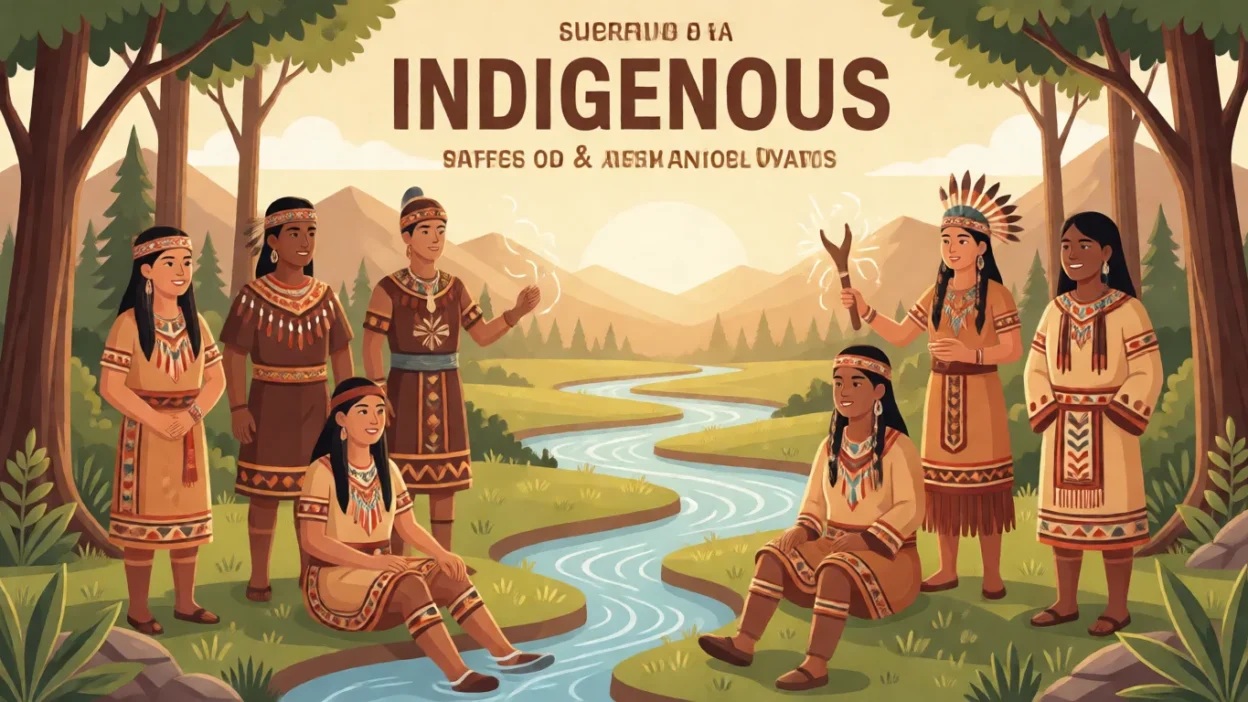
Indigenous means “original to a place.” It describes people, cultures, plants, or animals that lived in an area long before outsiders arrived.
Let’s explain it in a clear, simple, and respectful way.
What Does Indigenous Mean?
Indigenous refers to something that started or naturally belongs in a specific place.
Most often, the word is used to describe Indigenous peoples—communities whose ancestors lived on the land before colonization or modern borders.
Simplified meaning
- Indigenous = native or original
- Connected deeply to land and culture
- Existed before settlers or colonizers
Short example
“indigenous people lived on this land for thousands of years”
In short: indigenous = original people or things of a place.
Where Is Indigenous Commonly Used?
You’ll see indigenous used in many important contexts 👇
- 🧑🤝🧑 People & communities – history and identity
- 📚 Education & textbooks – world history
- 📰 News & media – rights and culture
- 🌱 Nature & environment – plants and animals
- 🏛️ Law & policy – land and legal rights
Tone check
- ✅ Respectful
- ✅ Educational
- ❌ Slang
- ❌ Casual texting
This word carries cultural and historical importance.
Examples of Indigenous in Conversation
Here are realistic examples showing how indigenous is used.
- “indigenous communities protect the land”
- “this plant is indigenous to the region”
- “we learned about indigenous history today”
- “indigenous cultures are diverse and rich”
- “the museum honors indigenous traditions”
- “indigenous knowledge helps the environment”
- “support indigenous rights worldwide”
The tone is respectful and factual.
When to Use and When Not to Use Indigenous
Using the word correctly shows awareness and respect.
✅ When to Use Indigenous
- Talking about original peoples
- Discussing culture or history
- Referring to native plants or animals
- Educational or formal writing
❌ When Not to Use Indigenous
- As a joke or insult
- In casual slang
- Without understanding the context
- To stereotype people
Context comparison table
| Context | Example Phrase | Why It Works |
|---|---|---|
| Education | “indigenous history matters” | respectful |
| Environment | “indigenous species thrive here” | accurate |
| News | “indigenous rights movement” | appropriate |
| Joke | ❌ “indigenous vibes lol” | disrespectful |
| Slang | ❌ “acting indigenous” | offensive |
Indigenous vs Native (Simple Difference)
People often mix these up. Here’s a quick guide.
| Term | Meaning |
|---|---|
| Indigenous | Original people or things of a place |
| Native | Born in a place (broader term) |
Indigenous is more specific and respectful when talking about people and culture.
Similar Words or Related Terms
These words often appear with indigenous.
| Term | Meaning | When to Use |
|---|---|---|
| native | original or born there | general |
| aboriginal | original inhabitants | regional use |
| first peoples | earliest communities | respectful |
| tribal | community-based groups | specific context |
| ancestral | passed down through generations | heritage |
Always choose words carefully and respectfully.
Why the Word Indigenous Matters
The word indigenous is important because it:
- Honors original cultures
- Recognizes history
- Protects identity
- Supports rights and awareness
It’s more than a definition—it’s about respect.
FAQs About Meaning
1. What does Its mean?
It means original to a place, especially people who lived there first.
2. Is Its the same as native?
Similar, but is more specific and respectful.
3. Is its only about people?
No. It can describe plants, animals, and cultures too.
4. Is its a respectful term?
Yes, when used correctly.
5. Is its used worldwide?
Yes. It applies to many regions and cultures.
6. Can Its be used casually?
No. It should be used thoughtfully.
7. Why is its important today?
It helps protect culture, rights, and history.
Final Thoughts
Now you know what does its mean. It refers to the original people, cultures, or living things of a place, with deep ties to land and history. It’s a meaningful word that deserves respectful use.
Understanding terms like its helps build awareness, respect, and better conversations.

Hadi Bhatti is a passionate writer and content creator at Saypadia, known for turning complex words, phrases, and internet slang into simple, easy-to-understand explanations. With a strong interest in language, meanings, and digital communication, Hadi focuses on helping readers understand what words really mean in everyday use. His writing style is clear, engaging, and user-focused, making learning both practical and enjoyable.