
You’re scrolling through skincare TikTok or reading Instagram comments when someone says, “retinol changed my skin.” Another person warns, “be careful, it can cause peeling.” Now you’re curious and confused at the same time.
You might even have a small bottle sitting on your shelf, unopened, because you’re not totally sure what it actually does. If that sounds familiar, you’re not alone. Retinol is one of the most talked-about skincare ingredients online, but it’s often explained in a way that feels complicated or scary. Let’s break it down in simple, everyday words.
Quick Answer:
Retinol helps your skin renew itself faster, reducing acne, wrinkles, dark spots, and uneven texture over time.
What Does Retinol Do to Your Skin?
Retinol is a form of vitamin A used in skincare to improve how your skin looks and behaves.
Plain-English Explanation
Your skin naturally sheds old cells and makes new ones. Retinol speeds up that process. It tells your skin, “hey, make fresh cells faster and act younger.” Over time, this leads to clearer, smoother, and more even-looking skin.
Example:
Using retinol at night helps your skin renew itself while you sleep.
Bold Summary: Retinol boosts skin cell turnover, helping improve acne, texture, tone, and signs of aging.
Why Do People Use Retinol?
People use retinol because it works on multiple skin concerns at once.
Retinol helps with:
- Acne and clogged pores
- Fine lines and wrinkles
- Dark spots and sun damage
- Rough or uneven texture
- Dull-looking skin
That’s why dermatologists often call it a “gold standard” skincare ingredient.
How Retinol Works (Without the Science Jargon)
Here’s what retinol does behind the scenes:
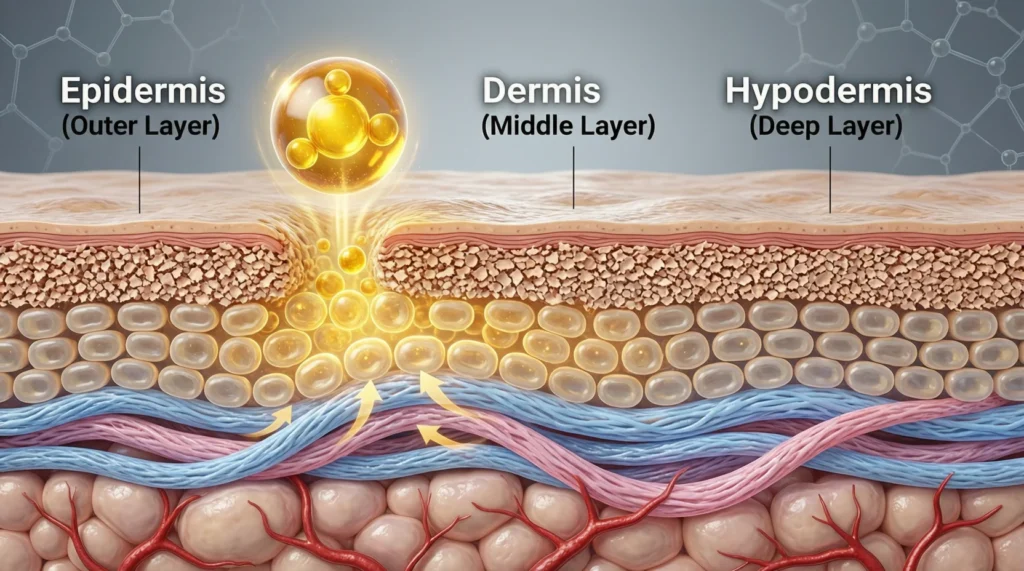
- Penetrates the top layer of skin
- Speeds up skin cell turnover
- Encourages collagen production
- Prevents pores from clogging
- Helps fade discoloration
Think of retinol like a reset button for your skin’s behavior.
What Retinol Helps With the Most
Retinol for Acne
Retinol keeps pores clear by stopping dead skin cells from building up. This helps:
- Reduce breakouts
- Prevent blackheads
- Calm recurring acne
It’s especially helpful for adult acne.
Retinol for Wrinkles and Fine Lines
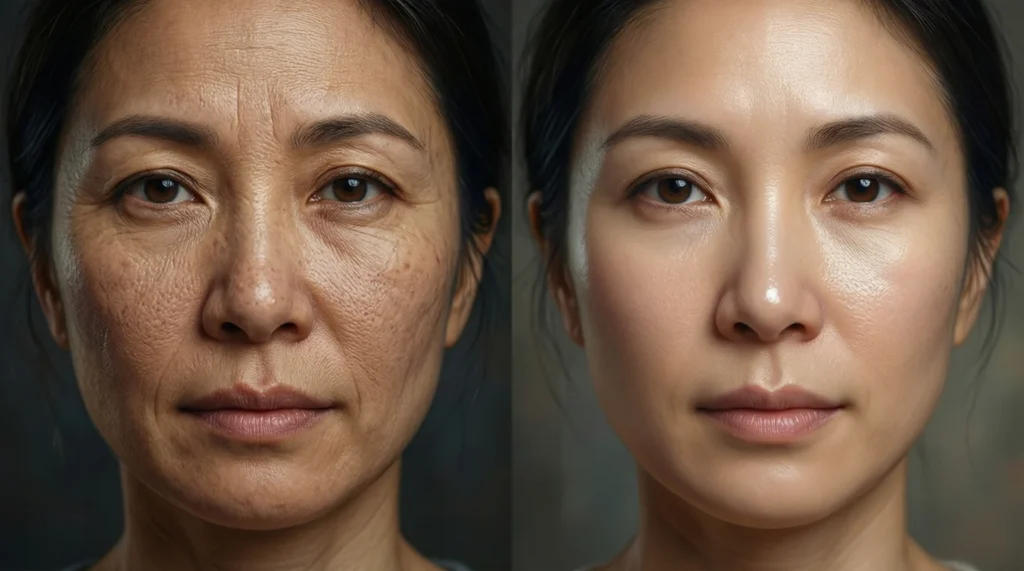
Retinol boosts collagen, which keeps skin firm. With regular use:
- Fine lines soften
- Skin looks smoother
- Texture improves
Retinol for Dark Spots and Uneven Tone
By replacing old skin cells faster, retinol helps fade:
- Sun spots
- Acne marks
- Uneven pigmentation
Results take time, but they’re real.
When You Start Retinol: What It Feels Like
Retinol isn’t instant magic. Your skin goes through an adjustment phase.
Common Early Reactions
- Dryness
- Mild peeling
- Redness
- Slight irritation
This phase is often called retinol purging and usually lasts a few weeks.
What’s Normal vs Not
| Reaction | Normal? | Why |
|---|---|---|
| mild peeling | yes | skin adjusting |
| dryness | yes | faster cell turnover |
| burning pain | no | too strong |
| swelling | no | irritation |
If it hurts, stop and slow down.
How to Use Retinol the Right Way
✅ Best Practices
- Use at night only
- Start 1–2 times a week
- Apply a pea-sized amount
- Follow with moisturizer
- Use sunscreen daily
❌ Common Mistakes
- Using too much
- Applying every night too soon
- Skipping sunscreen
- Mixing with harsh products
Retinol works best with patience, not overuse.
Retinol vs Retinoid: What’s the Difference?
| Term | What It Means | Strength |
|---|---|---|
| retinol | over-the-counter vitamin a | mild |
| retinoid | prescription vitamin a | strong |
| retinal | between retinol and retinoid | medium |
Retinol is gentler and better for beginners.
Who Should and Shouldn’t Use Retinol
Good for:
- Acne-prone skin
- Aging skin
- Uneven texture
- Oily or combination skin
Be Careful If:
- You have very sensitive skin
- You’re pregnant or trying to conceive
- You have active eczema or rosacea
Always patch test first.
How Long Does Retinol Take to Work?
Retinol is slow but effective.
Typical timeline:
- 2–4 weeks: skin adjustment
- 6–8 weeks: acne improvement
- 3 months: smoother texture
- 6 months: visible anti-aging results
Consistency matters more than speed.
Retinol in Real-Life Conversations
Here’s how people talk about retinol online:
- “retinol saved my acne but the purge was rough”
- “my skin finally looks smooth after retinol”
- “start slow with retinol trust me”
- “retinol + sunscreen is a must”
- “i didn’t see results until month three”
- “retinol made my skin glow”
- “i overused retinol and learned the hard way”
These reflect real experiences, not hype.
FAQs About “What Does Retinol Do?”
1. Does retinol thin your skin?
No. Long-term use actually strengthens skin.
2. Can beginners use retinol?
Yes, with low strength and slow use.
3. Can retinol be used every day?
Eventually, but not at the start.
4. Is retinol safe?
Yes, when used correctly.
5. Does retinol make skin worse at first?
Sometimes. That’s temporary purging.
6. Can I use retinol with moisturizer?
Yes, and you should.
7. Do I need sunscreen with retinol?
Absolutely. Retinol makes skin sun-sensitive.
Final Thought
So, what does retinol do? It teaches your skin to behave younger, clearer, and smoother by speeding up renewal and boosting collagen.
While it takes time and patience, retinol is one of the most proven skincare ingredients available. Used correctly, it can quietly transform your skin without needing complicated routines or trendy products.

Robat Hood is a creative writer and contributor at Saypadia, focused on explaining trending words, slang, and cultural phrases in a simple and engaging way. With a sharp eye for modern language trends, Robat aims to make Saypadia a trusted place for understanding how words are used online and in daily conversations. His content is informative, approachable, and designed for readers of all levels.