
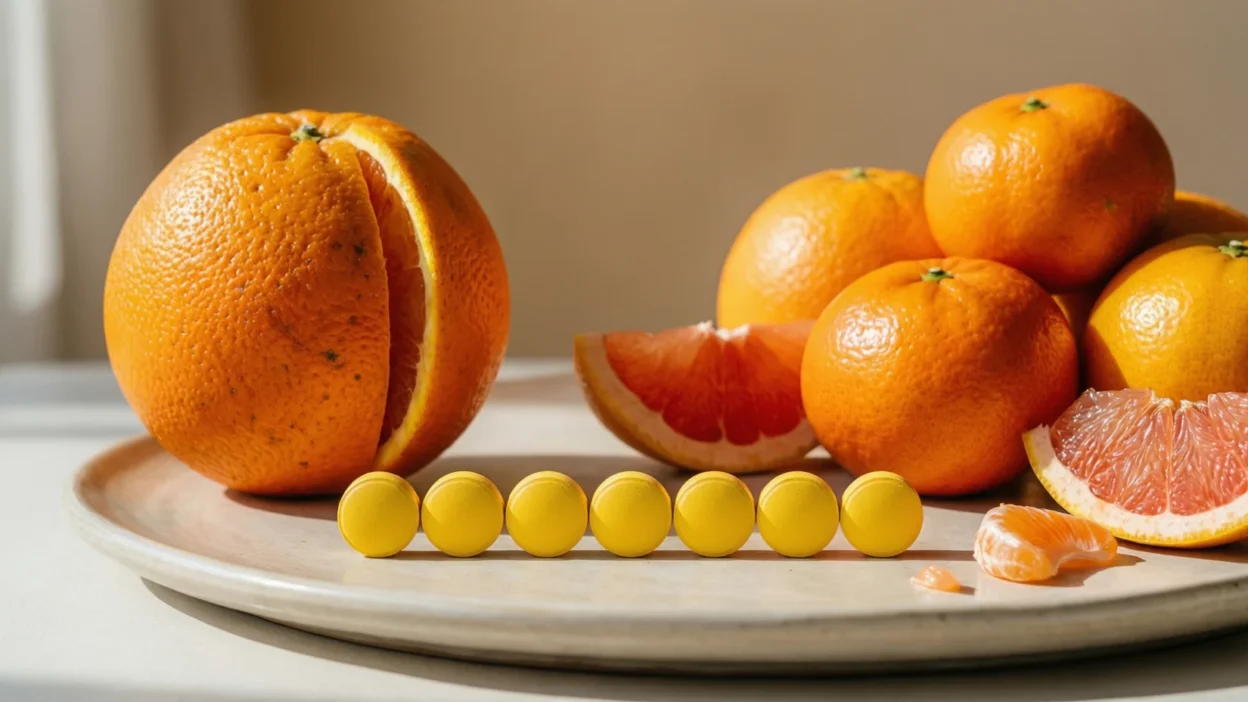
You’ve probably heard people say, “take vitamin C so you don’t get sick,” or you’ve seen it everywhere in skincare videos and health posts online. Maybe you even have vitamin C tablets at home but aren’t fully sure what they actually do.
That’s very common. Vitamin C is talked about a lot, but rarely explained in simple words. Once you understand what it does inside your body, it becomes clear why it’s so important for everyday health not just when you catch a cold.
Quick Answer:
Vitamin C helps your body heal, supports your immune system, protects cells, and keeps your skin, blood vessels, and bones healthy.
What Does Vitamin C Do in the Body?
Vitamin C, also called ascorbic acid, is an essential nutrient your body needs every day.
Plain-English Explanation
Vitamin C works like a repair helper and protector. It helps fix tissues, supports your immune system, and protects your body from damage caused by stress, illness, and aging. Your body cannot make vitamin C on its own, so you must get it from food or supplements.
Example:
When you get a small cut, vitamin C helps your skin heal faster.
Bold Summary: Vitamin C supports healing, immunity, and overall cell protection in the body.
Why Is Vitamin C So Important?
Vitamin C plays many roles at the same time, which is why doctors and nutritionists talk about it so often.
Vitamin C helps:
- Strengthen the immune system
- Heal wounds and injuries
- Protect cells from damage
- Improve iron absorption
- Support skin, bones, and blood vessels
Without enough vitamin C, your body struggles to repair itself properly.
Vitamin C and the Immune System
This is the benefit most people know about.
Vitamin C helps your immune system by:
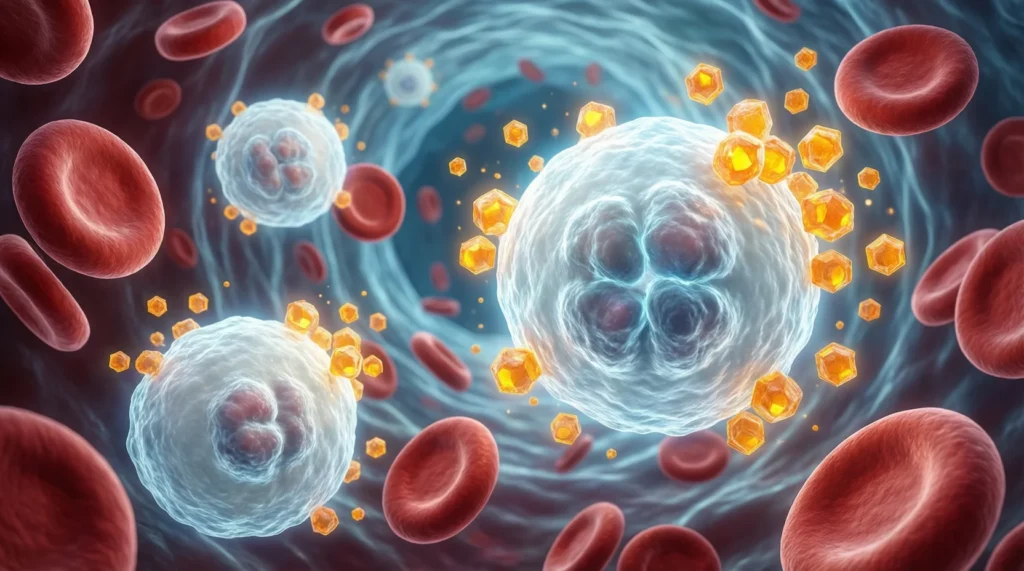
- Supporting white blood cells
- Helping your body fight infections
- Reducing inflammation
- Helping you recover faster from illness
It doesn’t always prevent sickness, but it helps your body handle it better.
What Does Vitamin C Do for Skin?
Vitamin C is very popular in skincare—and for good reason.
Skin Benefits
- Boosts collagen (keeps skin firm)
- Brightens dull skin
- Helps fade dark spots
- Protects skin from sun and pollution damage
That’s why vitamin C serums are used to improve glow and reduce signs of aging.
Vitamin C and Healing
Vitamin C plays a big role in healing because it:
- Helps build collagen
- Repairs skin and tissues
- Strengthens blood vessels
People low in vitamin C may heal more slowly after injuries or surgery.
Vitamin C and Antioxidant Protection
Vitamin C is a strong antioxidant.
What That Means in Simple Terms
It protects your cells from damage caused by:
- Pollution
- Stress
- Smoking
- Illness
- Normal aging
Think of vitamin C as a shield that protects your cells every day.
Signs You Might Be Low on Vitamin C
Mild deficiency can cause:
- Frequent colds
- Tiredness
- Slow wound healing
- Dry or rough skin
- Bleeding gums
Severe deficiency is rare but can cause serious health problems.

Where Do You Get Vitamin C From?
Vitamin C comes from many common foods.
Best Natural Sources
- Oranges and citrus fruits
- Strawberries
- Kiwi
- Bell peppers
- Broccoli
- Tomatoes
- Spinach
Cooking can reduce vitamin C, so fresh foods are best.
Vitamin C Supplements: Do You Need Them?
Some people benefit from supplements, especially if:
- Diet lacks fruits and vegetables
- Immune system is weak
- Under stress
- Recovering from illness
Supplement Tips
- Don’t exceed recommended dose
- More isn’t always better
- Too much can upset your stomach
Food sources are usually the best option.
Vitamin C in Everyday Life (Real Examples)
Here’s how people talk about vitamin C casually:
- “i take vitamin c when i feel a cold coming”
- “vitamin c helped my skin glow”
- “i forget how important vitamin c is”
- “doctor said i need more vitamin c”
- “vitamin c + sunscreen is a must”
- “i started eating more fruit for vitamin c”
- “my energy improved with vitamin c”
These reflect common, real experiences.
When to Use and When to Be Careful
✅ Good Uses
- Daily immune support
- Skin health
- Healing and recovery
- Balanced nutrition
❌ Be Careful When
- Taking very high doses
- Having kidney issues
- Using too many supplements
Comparison Table
| Situation | Vitamin C Effect | Why |
|---|---|---|
| balanced diet | steady support | natural intake |
| illness | immune boost | helps recovery |
| high dose | stomach upset | too much |
| skincare use | brighter skin | collagen support |
Vitamin C vs Other Common Vitamins
| Vitamin | Main Role |
|---|---|
| vitamin c | immunity, healing |
| vitamin d | bones, immunity |
| vitamin b12 | energy, nerves |
| vitamin a | vision, skin |
Vitamin C stands out for repair and protection.
FAQs About “What Does Vitamin C Do?”
1. Does vitamin C prevent colds?
It helps recovery but doesn’t always prevent them.
2. Can you take vitamin C every day?
Yes, in safe amounts.
3. Is vitamin C good for skin?
Yes, both in diet and skincare.
4. Can vitamin C improve energy?
Indirectly, by supporting overall health.
5. Is too much vitamin C bad?
Very high doses can cause stomach issues.
6. Does cooking destroy vitamin C?
Yes, heat can reduce it.
7. Is vitamin C only for adults?
No, all ages need vitamin C.
Final Thought
So, what does vitamin C do? It keeps your body strong, helps you heal, supports your immune system, and protects your cells from daily damage.
From fighting infections to improving skin health, vitamin C quietly supports your body every single day. Getting enough of it through food or supplements when needed is one of the simplest ways to support long-term health.

Robat Hood is a creative writer and contributor at Saypadia, focused on explaining trending words, slang, and cultural phrases in a simple and engaging way. With a sharp eye for modern language trends, Robat aims to make Saypadia a trusted place for understanding how words are used online and in daily conversations. His content is informative, approachable, and designed for readers of all levels.