

If you’ve ever come across the term “Erome”, you might be curious about what it actually is and why people discuss it online. In essence, Erome is an online platform that allows users to upload, organize, and share content through albums, providing a simple way to manage media files.
While it offers convenience for those sharing large or private files, it also raises important questions regarding privacy, safety, and legality. Therefore, understanding how Erome functions, its features, potential risks, and available alternatives is crucial before using it.
This comprehensive guide will take you through what Erome is, how it works, its key features, safety considerations, legal aspects, common issues, and alternatives, helping you make informed decisions while using the platform responsibly.
What Is Erome?
Essentially, Erome is a user-generated content hosting platform. Unlike traditional social media, it focuses solely on uploading and sharing files via albums, often anonymously. Users typically use Erome to store and distribute media in a simple, album-style format.
Originally, it gained popularity because of its minimalistic interface and easy sharing options, allowing files to be distributed without complicated settings. While anyone can browse certain content without an account, creating an account provides extra control over your uploads and albums.
In short, Erome is designed for users who want fast, straightforward sharing, though it comes with risks and responsibilities that every user should understand before engaging with the platform.
How Does Erome Work?
Uploading and Sharing Content
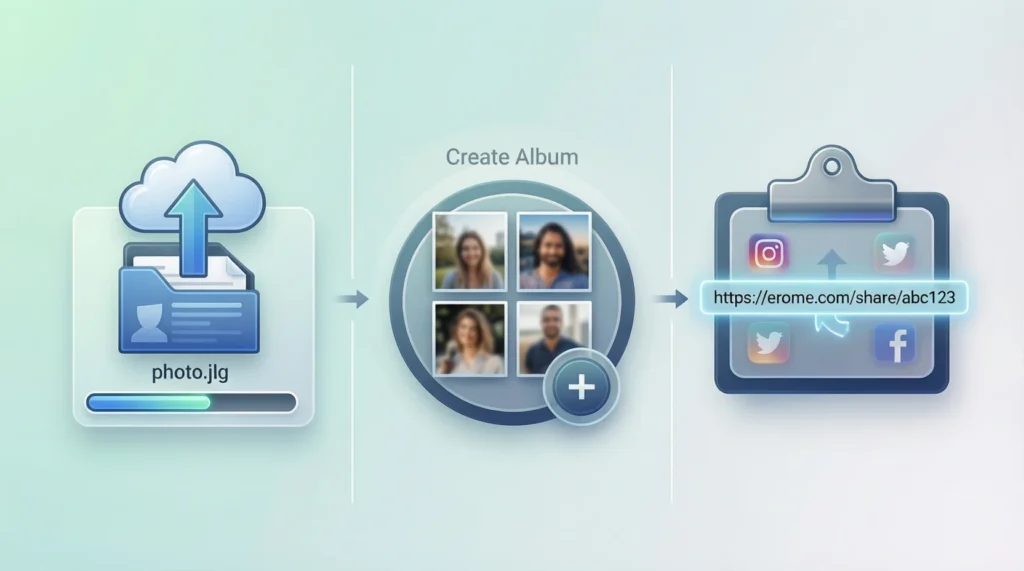
First, users can upload media files, which are organized into albums. Each album generates a unique sharing link, making it easy to distribute files to specific people. In addition, the platform allows users to choose whether the album is public or private, providing some control over visibility.
Do You Need an Account?
Interestingly, Erome does not require an account to browse content, which makes access quick and simple. However, creating an account allows users to manage albums, delete uploads, and keep track of their shared files. This flexibility is one reason why many prefer to sign up, despite the minimal registration process.
Key Features
- Album-Based Organization: Keep media organized for easy sharing.
- Direct Sharing Links: Send content directly to others without navigating complex menus.
- Minimal Interface: Focused solely on content sharing with no distractions.
- No Advanced Discovery: Users must have links to access specific albums.
Is Erome Safe to Use?
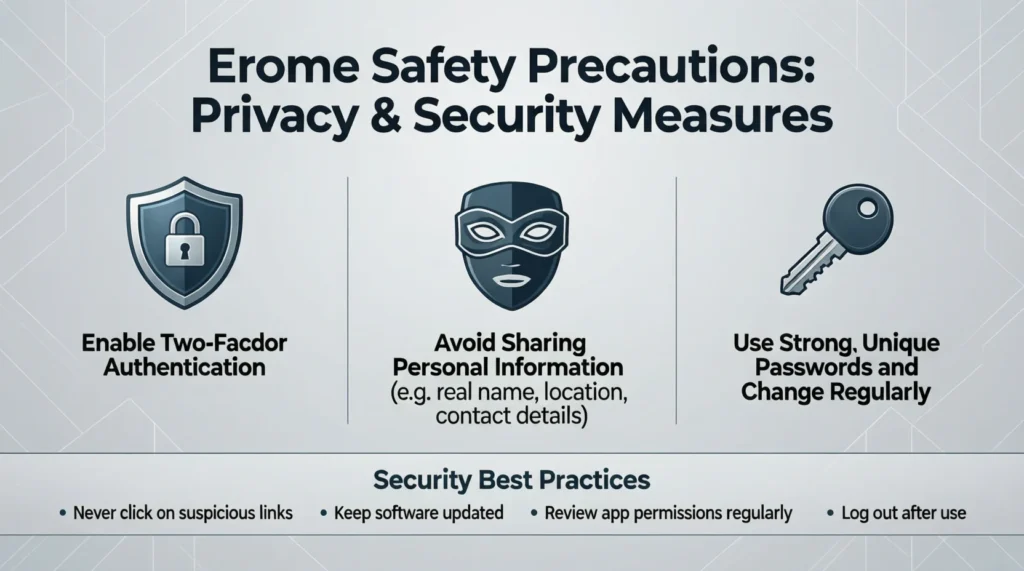
Safety is one of the most common concerns for users considering Erome. While the platform itself is simple, there are privacy and security risks to keep in mind.
Privacy Concerns
Since Erome allows public sharing of albums, any uploaded content may become accessible to anyone with a link. Consequently, personal or sensitive files should never be uploaded without careful consideration. Additionally, there’s always a risk of content misuse, as the platform does not heavily moderate or monitor files.
Security Risks
While Erome itself is generally secure, users should beware of pop-ups, third-party ads, and potential malware. Therefore, practicing safe browsing habits, such as using updated browsers and antivirus software, is essential.
Is Erome Legal?
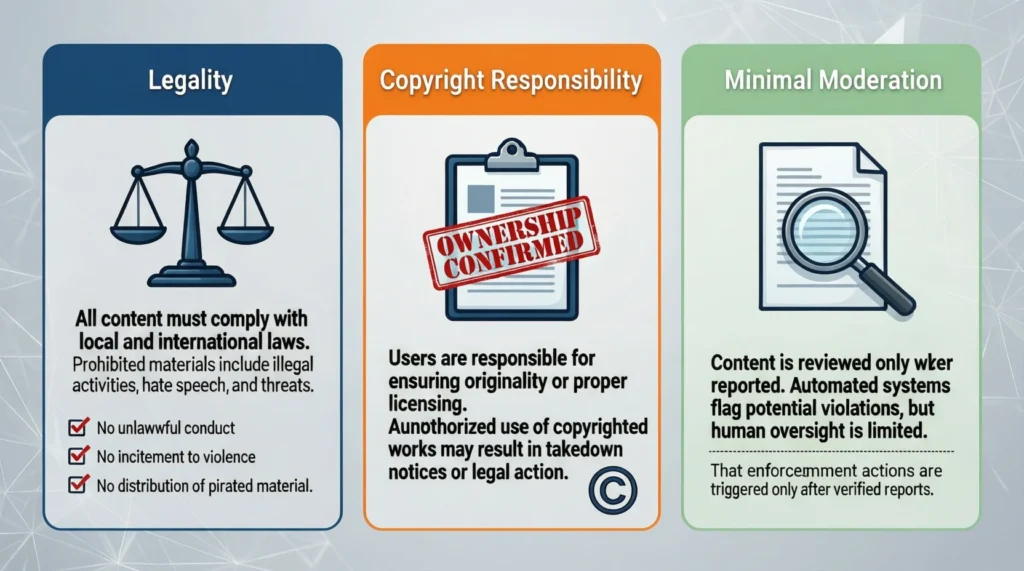
Another important aspect is legality. Technically, Erome itself is legal, but the responsibility for uploaded content lies with users. Sharing copyrighted or illegal materials can lead to legal consequences. Furthermore, certain regions may restrict access to the platform, making it important to understand local laws and regulations before visiting.
Moderation and Content Guidelines
Unlike some platforms, Erome has limited content moderation. Users are largely responsible for the materials they upload and share. Although there is a reporting system in place, enforcement is minimal. Therefore, anyone using Erome should exercise caution and adhere to legal and ethical guidelines.
Additionally, Erome is intended for users aged 18 and older, so minors should not attempt to use the platform. Awareness of age restrictions ensures responsible and safe browsing.
Why People Use Erome
Despite potential risks, Erome continues to attract users for several reasons:
- Private Media Sharing: Users can distribute files directly to friends or colleagues.
- Large File Support: The platform handles substantial file sizes better than some alternatives.
- Anonymity: No extensive account details are required to upload and share.
- Ease of Access: Simple interface reduces complexity for new users.
Common Issues With Erome
While Erome is generally straightforward, users often experience problems:
Technical Issues
- Site downtime due to server overload
- Broken or removed links
- Slow loading times
Regional or Network Restrictions
- Some countries block Erome
- Internet Service Providers (ISPs) may restrict access
- VPN use is informationally noted, but users must follow local laws
Understanding these challenges helps users avoid frustration and plan alternatives if needed.
Erome vs Other Content Hosting Platforms
While Erome excels in simplicity, it lacks the advanced features of other platforms. For instance:
- Privacy-focused platforms offer better content protection.
- Cloud storage services provide more robust moderation and file recovery.
- Traditional social media includes content discovery and engagement options.
Thus, Erome is best suited for quick, anonymous, and uncomplicated file sharing, but not for long-term storage or high-security needs.
Safer Alternatives to Erome
If safety or legality is a concern, consider these alternatives:
- Google Drive / Dropbox: Strong privacy, simple sharing
- Imgur / Flickr: Moderated media hosting
- Mega / OneDrive: Large file sharing with encryption
Each alternative balances usability, privacy, and moderation, making them safer than Erome for many users.
Pros and Cons of Erome
Pros
- Easy to use
- No mandatory account
- Simple album-based sharing
Cons
- Limited moderation
- Privacy risks for public uploads
- Legal uncertainties depending on content
By weighing these, users can decide whether the platform aligns with their needs.
Important Tips Before Using Erome
- Avoid uploading sensitive personal content
- Understand public visibility risks
- Follow copyright laws
- Use antivirus and secure browsers
- Be aware of regional restrictions
These precautions help maintain security and responsible usage while using the platform.
Frequently Asked Questions (FAQs)
Q1: Is Erome free?
Yes, the platform is free to use, though some ads may appear.
Q2: Can Erome links be deleted?
Only if you have an account or if the album creator removes the content.
Q3: Does Erome track users?
Erome collects minimal data but does not provide advanced tracking.
Q4: Is Erome blocked in some countries?
Yes, access may be restricted depending on regional laws.
Q5: Can content be reported?
Yes, but moderation is limited, so enforcement may be slow.
Final Thoughts
In conclusion, Erome is a simple platform for sharing and organizing media through albums, but it comes with notable privacy, safety, and legal considerations. While its simplicity attracts many users, it is essential to exercise caution, understand risks, and follow guidelines.
If you prioritize security and content control, safer alternatives like Google Drive, Dropbox, or Imgur may be better choices. Ultimately, being informed is key, and understanding how Erome works ensures that users can use it responsibly while minimizing potential risks.