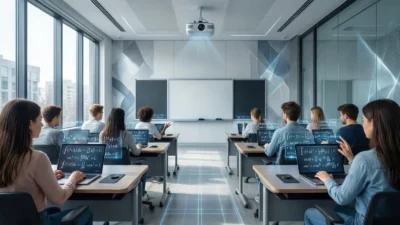

Distance learning has quietly transformed education across the world. Not long ago, online classes felt like a temporary solution. However, today they’re a permanent and powerful option. Students attend lectures from their bedrooms.
Teachers run classrooms through screens. Parents support learning without stepping into school buildings. Because of this shift, distance learning resources have become essential rather than optional.
Still, finding the right tools isn’t always easy. While countless platforms promise better results, not all of them deliver real value. Some improve focus and outcomes, while others simply add noise. Therefore, choosing wisely matters.
In this complete guide, you’ll explore the most effective distance learning resources available today. You’ll learn what they are, how they work, and why they matter. More importantly, you’ll discover how to choose tools that actually support learning goals. Whether you’re a student, teacher, or parent, this article will help you build a smarter and more successful online learning experience.
What Are Distance Learning Resources?
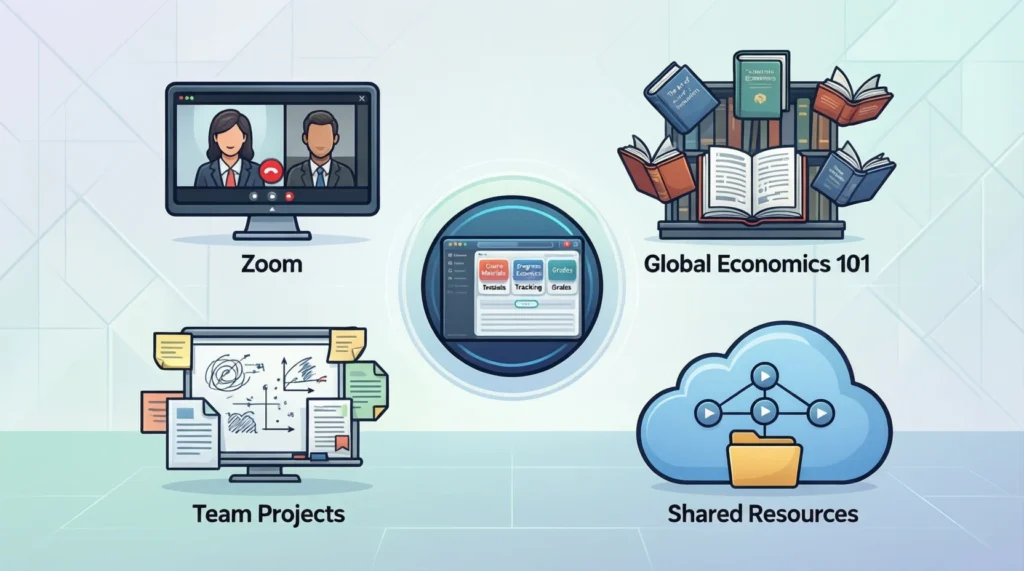
Distance learning resources are digital tools and platforms that support education outside traditional classrooms. In simple terms, they replace physical learning spaces with online environments. These resources allow students to learn, teachers to instruct, and parents to monitor progress remotely.
For example, learning management systems organize lessons and assignments. Video conferencing tools enable live classes. Meanwhile, digital libraries provide instant access to study materials. Together, these tools create a complete learning ecosystem.
Because online education depends heavily on technology, these resources act as the backbone of distance learning. Without them, remote education simply wouldn’t function.
Why Distance Learning Resources Matter
Distance learning resources matter because they shape how effective online education becomes. When the right tools are used, learning feels engaging and structured. On the other hand, poor tools lead to confusion and frustration.
First, these resources provide flexibility. Students can learn at their own pace and revisit lessons anytime. Next, they improve accessibility. Learners from different locations can access quality education without travel. Additionally, they support personalized learning paths, which helps students focus on their strengths and weaknesses.
Most importantly, strong resources bridge the gap between physical and virtual classrooms. As a result, learning remains consistent, interactive, and goal-oriented.
Types of Distance Learning Resources
Learning Management Systems (LMS)
Learning management systems act as central hubs for online education. They store lessons, assignments, grades, and communication tools in one place. Because of this, teachers manage courses efficiently, and students track progress easily.
Common LMS features include lesson uploads, quizzes, discussion boards, and performance analytics. Therefore, these systems keep learning organized and transparent.
Online Course Platforms
Online course platforms focus on structured learning experiences. Some offer self-paced courses, while others include instructor-led sessions. Many platforms also provide certificates, which help learners showcase skills.
Because of their flexibility, these platforms are ideal for skill-building, career development, and lifelong learning.
Virtual Classroom and Video Tools
Virtual classroom tools enable live interaction. Through video calls, screen sharing, and recordings, teachers recreate classroom experiences online. Additionally, chat and polling features encourage participation.
As a result, these tools make distance learning feel more human and interactive.
Digital Libraries and Research Tools
Digital libraries offer access to e-books, journals, and academic databases. Unlike physical libraries, they’re available 24/7. Therefore, students can research anytime without limitations.
Open educational resources also reduce costs while maintaining quality. This makes learning more inclusive.
Collaboration and Communication Tools
Collaboration tools support group work and communication. Shared documents, cloud storage, and discussion platforms allow students to work together remotely. Meanwhile, teachers can provide feedback in real time.
Because teamwork remains important, these tools keep collaboration alive in virtual settings.
Assessment and Exam Tools
Assessment tools measure progress through quizzes, exams, and assignments. Some platforms even offer online proctoring. With built-in analytics, teachers identify learning gaps quickly.
Consequently, assessments remain fair, structured, and data-driven.
Best Distance Learning Resources for Students
Students benefit most when resources match their learning style. Free platforms often work well for beginners, especially those exploring new subjects. Paid platforms, however, usually offer deeper content and certifications.
In addition, study tools such as note-taking apps and time planners help students stay organized. Exam preparation resources also support academic success.
When combined properly, these tools improve focus, consistency, and results.
Top Distance Learning Resources for Teachers
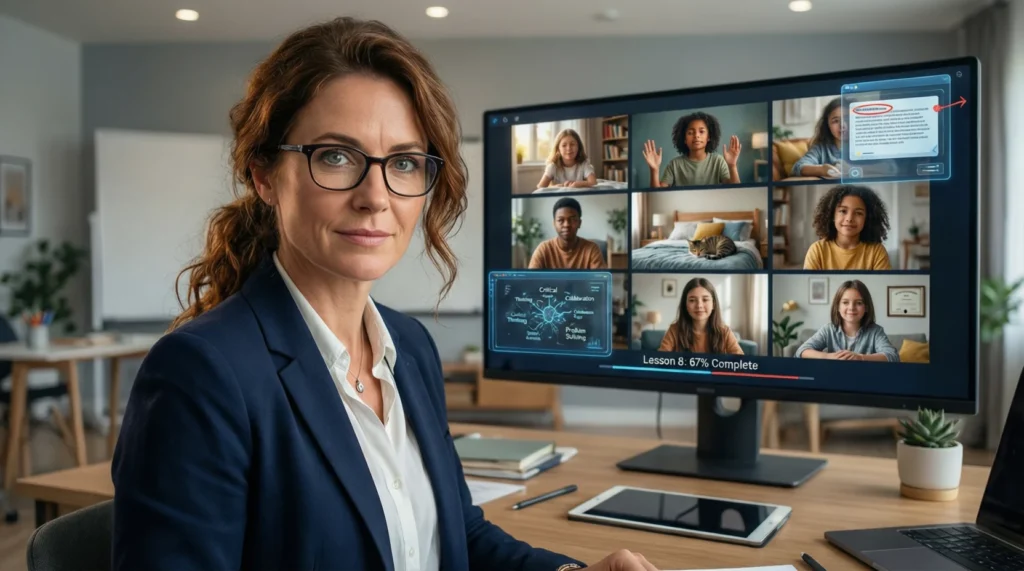
Teachers need tools that simplify instruction. Lesson planning platforms save time, while engagement tools boost participation. Grading software automates assessments and reduces workload.
Moreover, analytics dashboards help teachers monitor performance. By understanding student behavior, teachers adjust strategies quickly.
Therefore, the right resources empower teachers rather than overwhelm them.
Distance Learning Resources for Parents
Parents play a crucial role in online education, especially for younger learners. Homeschool platforms provide structured curricula, while monitoring tools track progress.
Parental dashboards show attendance, performance, and activity levels. Because of this visibility, parents can support learning without constant supervision.
As a result, distance learning becomes a shared effort rather than a solo challenge.
Distance Learning Resources by Education Level
K–12 Distance Learning Tools
K–12 platforms focus on engagement and safety. Interactive lessons, games, and visuals keep children interested. Additionally, parental controls ensure a secure learning environment.
College and University Resources
Higher education platforms emphasize research, collaboration, and accreditation. Students access academic databases, group tools, and career-focused learning resources.
Because of this, online degrees and certifications gain credibility.
Professional and Corporate Learning Tools
Professional learning platforms support upskilling and reskilling. Microlearning modules, flexible schedules, and performance tracking fit busy lifestyles.
Consequently, professionals learn without disrupting work commitments.
Free vs Paid Distance Learning Resources
Free resources offer accessibility and experimentation. They’re perfect for basic learning and exploration. However, they often lack advanced features and certifications.
Paid platforms, on the other hand, provide structured content, expert instruction, and recognized credentials. Therefore, investing in paid tools makes sense when long-term goals matter.
Choosing depends on needs, goals, and budget.
Accessibility and Inclusive Distance Learning Resources
Inclusive learning tools ensure no learner is left behind. Features like captions, screen reader support, and language options improve accessibility.
Low-bandwidth solutions also help learners with limited internet access. As a result, education becomes more equitable and inclusive.
How to Choose the Right Distance Learning Resources
Choosing the right tools starts with clear goals. Identify what you want to learn or teach. Next, consider skill level, budget, and technical requirements.
Check platform credibility through reviews and certifications. Finally, test usability before committing. This approach saves time and improves outcomes.
Common Distance Learning Challenges and Solutions
Online learning often struggles with motivation, technical issues, and time management. However, the right tools solve many of these problems.
Engagement platforms boost interaction. Scheduling tools improve consistency. Reliable technology reduces disruptions. Therefore, challenges become manageable with proper planning.
Future Trends in Distance Learning Resources
The future of distance learning looks promising. AI-powered personalization, virtual reality classrooms, and global credentials are gaining traction.
As technology evolves, learning becomes more adaptive and immersive. Consequently, distance education continues to grow in quality and impact.
FAQs
Are distance learning resources effective?
Yes, when chosen correctly, they support strong learning outcomes.
Can online learning replace traditional education?
It complements traditional education and, in some cases, replaces it effectively.
Are free distance learning resources reliable?
Many are reliable, although paid platforms often offer deeper value.
How do teachers manage online classrooms?
They use LMS platforms, engagement tools, and analytics dashboards.
Are online certificates recognized?
Many certifications are widely accepted, especially from reputable platforms.
Final Thought
Distance learning resources shape the future of education. When chosen wisely, they create engaging, flexible, and effective learning experiences. Students gain control over their education.
Teachers teach with confidence. Parents support learning with clarity. By focusing on the right tools, distance learning becomes not just convenient, but powerful and transformative.

Hadi Bhatti is a passionate writer and content creator at Saypadia, known for turning complex words, phrases, and internet slang into simple, easy-to-understand explanations. With a strong interest in language, meanings, and digital communication, Hadi focuses on helping readers understand what words really mean in everyday use. His writing style is clear, engaging, and user-focused, making learning both practical and enjoyable.