

The ukulele may be small in size, yet its history is surprisingly deep and global. While many people instantly associate it with Hawaii, the instrument’s story actually begins far away in Europe.
Over time, through migration, cultural exchange, and musical creativity, the ukulele evolved into a symbol of joy, simplicity, and connection. Because of its friendly sound and easy learning curve, it has captured hearts across generations.
Interestingly, the ukulele’s rise was never straightforward. Instead, it experienced moments of explosive popularity, sudden decline, and powerful revival. Each era added something new to its identity. Today, thanks to modern music, social media, and education, the ukulele enjoys worldwide recognition once again.
In this complete guide, you’ll explore where the ukulele came from, how it transformed through history, and why it continues to inspire millions of players around the world.
What Is a Ukulele?
At its core, the ukulele is a small, four-stringed instrument that belongs to the lute family. Compared to a guitar, it is lighter, more compact, and produces a brighter tone. Because of these qualities, it is often seen as beginner-friendly. However, despite its simplicity, the ukulele can deliver complex and emotional music.
Traditionally, ukuleles are tuned in re-entrant tuning, which gives them their distinctive cheerful sound. Over the years, variations in tuning and design appeared. As a result, the instrument became more versatile and adaptable to different musical styles.
The True Origins of the Ukulele
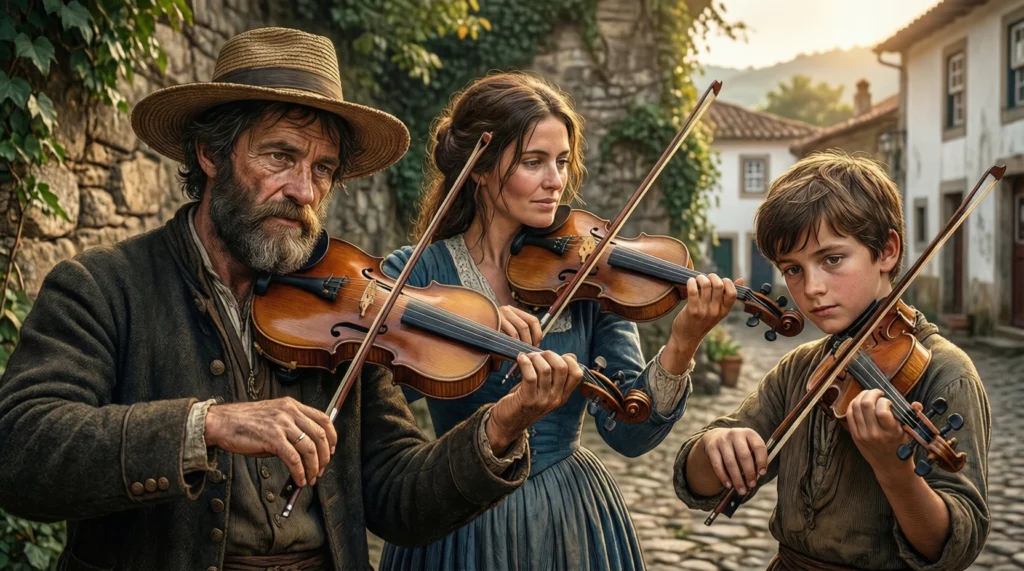
Although Hawaii popularized the ukulele, its roots trace back to Portugal in the 19th century. Portuguese immigrants played small stringed instruments such as the machete, braguinha, and cavaquinho. These instruments shared similar shapes and sounds with the modern ukulele.
Eventually, economic opportunities pushed Portuguese laborers to travel overseas. Along with their skills, they carried their musical traditions. Consequently, these humble instruments crossed oceans and entered a completely new cultural environment.
How the Ukulele Arrived in Hawaii
In 1879, Portuguese immigrants arrived in Hawaii aboard the ship Ravenscrag. Among them were skilled craftsmen and musicians. As they played their instruments, locals became fascinated by the lively sound.
Soon after, Hawaiian artisans began experimenting with design changes. Gradually, the instrument adapted to local tastes. Because Hawaiians embraced music as a core part of cultural expression, the ukulele quickly found a home on the islands.
Hawaiian Culture and the Birth of the Ukulele
Hawaii played a critical role in shaping the ukulele’s identity. King Kalākaua, known as the “Merrie Monarch,” strongly supported music and the arts. Under his influence, the ukulele became part of royal ceremonies and celebrations.
The word “ukulele” is often translated as “jumping flea.” While interpretations vary, many believe it refers to the rapid finger movements of players. Through Hawaiian songs and dances, the ukulele gained emotional depth and cultural significance.
Early Ukulele Design and Construction
Early ukuleles were handcrafted using native Hawaiian woods like koa. These materials gave the instrument a warm, distinctive tone. Craftsmen focused on simplicity, yet each piece reflected careful artistry.
Over time, design improvements appeared. Builders refined body shapes, string materials, and tuning methods. As a result, the ukulele became more durable and musically expressive.

Ukulele Sizes and Types Through History
Originally, the soprano ukulele was the standard size. Its compact form made it portable and accessible. However, as demand grew, new sizes emerged.
- Concert ukulele offered more volume
- Tenor ukulele provided deeper tones
- Baritone ukulele resembled guitar tuning
Because of these variations, musicians gained more creative freedom. Each size served different musical needs while preserving the ukulele’s charm.
The Ukulele’s Rise in the United States
The ukulele reached mainland America in the early 20th century. A major turning point occurred during the 1915 Panama–Pacific International Exposition in San Francisco. Hawaiian performers introduced audiences to island music, and interest exploded.
Soon after, the ukulele became a household instrument. Vaudeville shows, radio programs, and sheet music helped spread its popularity. Consequently, the ukulele symbolized fun and optimism during challenging times.
Ukulele in Popular Music History
During the 1920s and 1930s, the ukulele dominated popular music. Jazz musicians and singers embraced its playful tone. However, as the guitar rose in popularity, the ukulele faded into the background.
Despite this decline, it never disappeared entirely. Folk musicians kept it alive. Later, novelty songs and television appearances sparked renewed interest. Each revival introduced the ukulele to new audiences.
The Modern Ukulele Revival
In recent decades, the ukulele has experienced a strong comeback. Artists across pop, indie, and folk genres brought it back into the spotlight. Meanwhile, social media platforms made learning and sharing music easier than ever.
Because ukuleles are affordable and portable, beginners often choose them as a first instrument. Online tutorials, virtual communities, and global festivals further strengthened its presence.
Famous Ukulele Players Who Shaped History
Many musicians helped shape the ukulele’s legacy. Early pioneers brought it to mass audiences, while modern players expanded its possibilities. From traditional Hawaiian masters to contemporary performers, each added a unique voice.
Their influence proved that the ukulele is not a toy, but a legitimate musical instrument capable of depth and expression.

Cultural Impact of the Ukulele Worldwide
Beyond music, the ukulele holds cultural value. In Hawaii, it remains a symbol of identity and heritage. Around the world, schools use it for music education because it builds confidence and creativity.
Additionally, therapists use ukuleles in healing practices. Because music connects emotions, the instrument plays a role in well-being and social bonding.
Common Myths About Ukulele History
One common myth is that the ukulele is purely Hawaiian. In reality, its story blends Portuguese and Hawaiian influences. Another misconception is that it lacks musical seriousness. However, history clearly proves otherwise.
By understanding its past, these myths fade away.
Why the Ukulele Remains Popular Today
The ukulele continues to thrive because it brings people together. It’s easy to learn, joyful to play, and adaptable to many styles. Moreover, its history gives it emotional depth that resonates across cultures.
As long as people seek music that feels personal and uplifting, the ukulele will remain relevant.
Final Thought
The history of the ukulele is a story of movement, adaptation, and joy. From Portuguese workshops to Hawaiian shores and global stages, it evolved through cultural exchange and creativity. Understanding its past allows you to appreciate every chord more deeply. Whether you play casually or study music seriously, the ukulele’s journey reminds us that even small instruments can leave a lasting global impact.
FAQs
When was the ukulele invented?
The ukulele emerged in the late 19th century, around the 1880s.
Is the ukulele Portuguese or Hawaiian?
It has Portuguese roots but was developed and popularized in Hawaii.
Why did the ukulele become so popular?
Its simple design, joyful sound, and cultural exposure boosted its appeal.
What is the oldest type of ukulele?
The soprano ukulele is the original and oldest type.
How has the ukulele changed over time?
It evolved in size, materials, tuning, and global musical use.

Hadi Bhatti is a passionate writer and content creator at Saypadia, known for turning complex words, phrases, and internet slang into simple, easy-to-understand explanations. With a strong interest in language, meanings, and digital communication, Hadi focuses on helping readers understand what words really mean in everyday use. His writing style is clear, engaging, and user-focused, making learning both practical and enjoyable.