Walking into a barbershop often feels like standing at a crossroads. On one side, there are bold fades that grab attention instantly. On the other, there are classic cuts that never feel outdated. However, the low taper fade sits perfectly in the middle.
It looks sharp without trying too hard, and it feels modern without sacrificing professionalism. Because the fade starts low around the ears and neckline, it creates a clean outline while keeping the overall haircut balanced. As a result, this style works for students, professionals, and anyone who wants a polished look that fits daily life.
In this complete guide, you’ll learn what a low taper fade really is, how it compares to other fades, which styles suit different hair types and face shapes, and how to maintain it properly. By the end, you’ll know exactly whether this haircut fits your lifestyle and how to ask your barber for the perfect version.
What Is a Low Taper Fade?
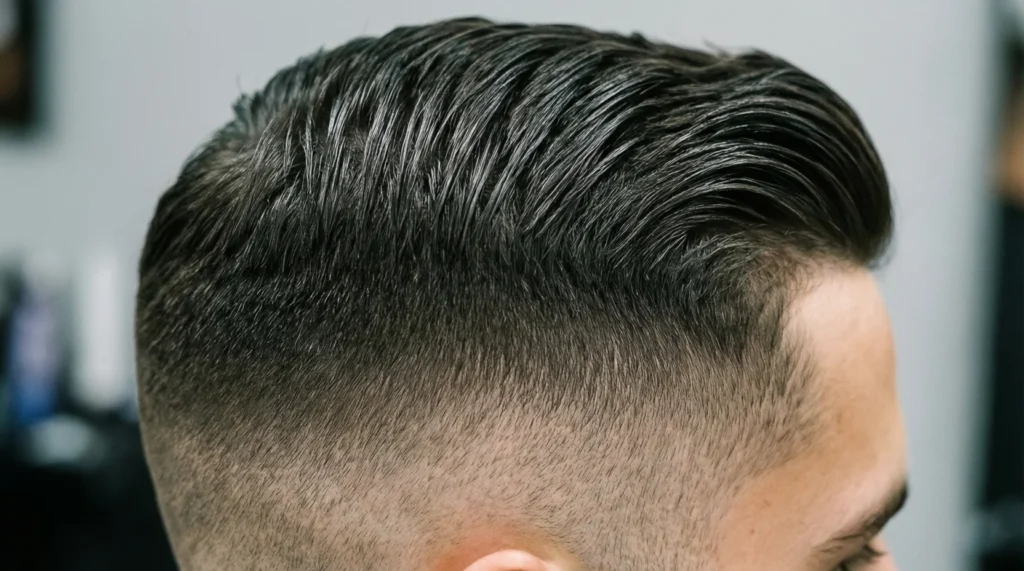
A low taper fade is a haircut where the hair gradually shortens near the temples and neckline, starting very low on the head. Instead of fading high up the sides, the transition stays subtle and controlled. Because of this, the cut looks clean rather than dramatic.
Unlike a full fade, a taper keeps some length at the sides. Therefore, the contrast feels softer. This is why many people choose a low taper fade for work-friendly or school-approved styles. At the same time, it still frames the face neatly, which enhances your overall appearance.
Low Taper Fade vs Other Popular Haircuts
Low Taper Fade vs Low Fade
Although these two sound similar, they look quite different. A low fade removes more hair and creates a sharper contrast. Meanwhile, a low taper fade keeps the transition smooth and natural. As a result, the taper appears more subtle and conservative.
Low Taper Fade vs High Taper
A high taper starts much higher on the head. Because of that, it feels bolder and more noticeable. In contrast, a low taper fade feels understated, which makes it ideal for professional settings.
Low Taper Fade vs Skin Fade
A skin fade blends the hair down to bare skin. While that style looks edgy, it also needs frequent maintenance. On the other hand, a low taper fade grows out smoothly, so it’s easier to manage over time.
Popular Low Taper Fade Styles
Classic Low Taper Fade
This is the most traditional version. The sides taper gently while the top stays neatly trimmed. Because it’s simple, it suits almost everyone.
Low Taper Fade with Textured Top
If you want a modern look, adding texture on top works perfectly. Therefore, this style pairs well with matte clay or light pomade.
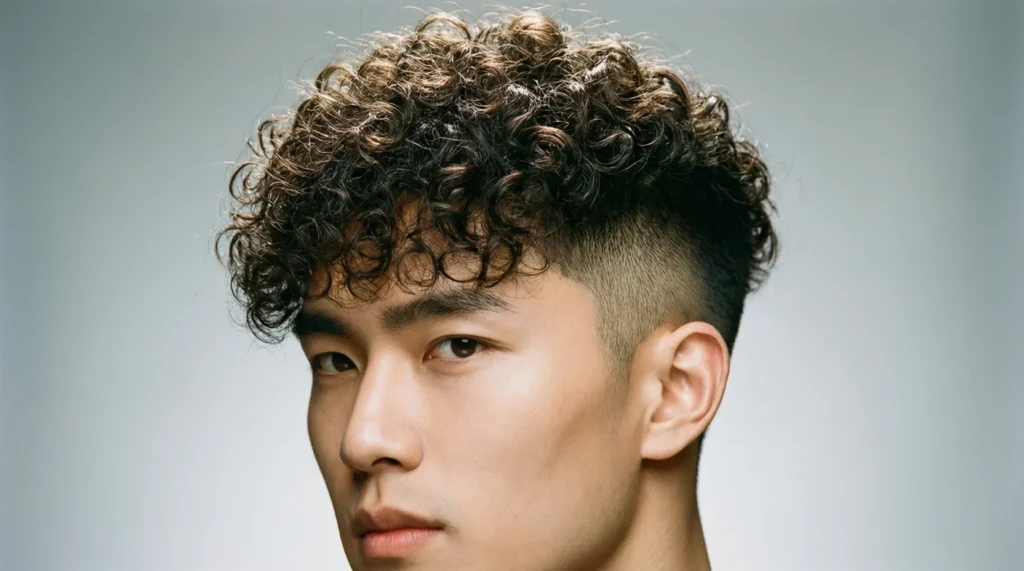
Low Taper Fade with Curls
For curly hair, the low taper fade reduces bulk at the sides while keeping curls defined on top. As a result, your curls look intentional rather than messy.
Low Taper Fade with Waves
Waves benefit greatly from a clean taper. The low fade around the ears highlights the wave pattern while keeping the hairline sharp.
Low Taper Fade with Beard
Blending the taper into the beard creates a seamless flow. Because of that, the face looks more structured and balanced.
Best Low Taper Fade for Different Hair Types
Straight Hair
Straight hair shows clean lines clearly. Therefore, a low taper fade looks crisp and structured. However, adding texture on top prevents a flat appearance.
Curly Hair
Curly hair can get bulky quickly. A low taper fade controls the sides while letting curls shine on top.
Wavy Hair
Wavy hair sits between straight and curly. Because of this, the taper helps define movement without over-thinning the sides.
Thick Hair
Thick hair benefits from gradual tapering. As a result, the haircut feels lighter and easier to style.
Thin or Fine Hair
For thin hair, a low taper fade creates the illusion of fullness. Keeping some length on the sides makes the hair look denser.

Low Taper Fade for Different Face Shapes
Round Face
A low taper fade with volume on top elongates the face. Therefore, it balances round features nicely.
Oval Face
Since oval faces are versatile, almost any low taper fade works well. Still, keeping proportions balanced is key.
Square Face
The taper softens sharp jawlines slightly while maintaining a masculine look.
Long Face
For long faces, avoid too much height on top. Instead, keep the style balanced to prevent over-elongation.
How to Ask Your Barber for a Low Taper Fade
Communication matters more than people think. First, clearly say you want a low taper fade, not a low fade. Then, explain how low you want the taper around the ears and neckline. Showing a reference photo also helps a lot.
Additionally, talk about the top length and texture. Mention whether you want it natural, layered, or styled. Most importantly, ask the barber to keep the transition subtle. That small detail makes all the difference.
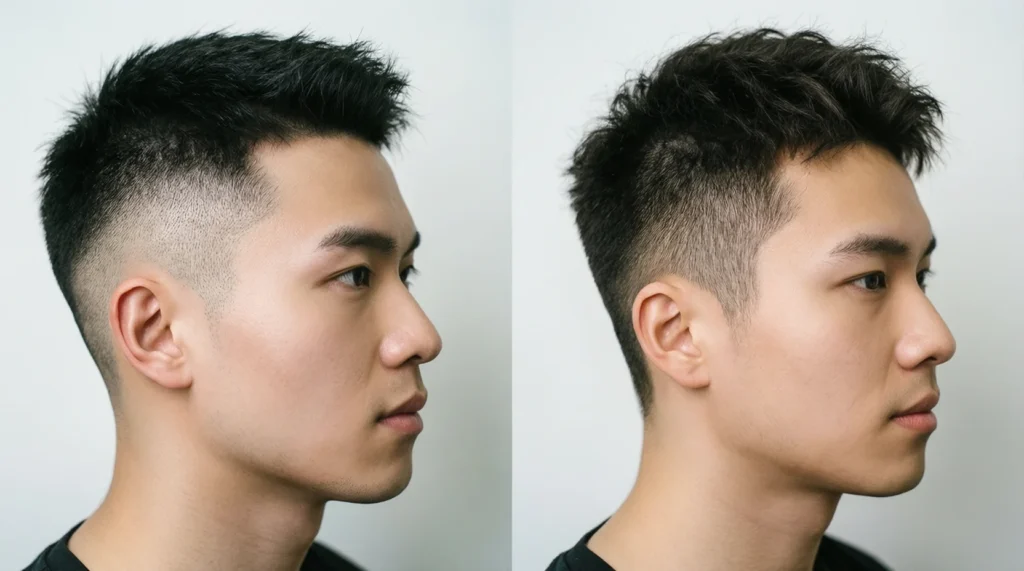
Low Taper Fade Maintenance Guide
One reason this haircut stays popular is easy upkeep. Generally, a trim every two to three weeks keeps it fresh. However, the style still looks good as it grows out.
Use light styling products to avoid buildup. Wash regularly, and keep the neckline clean between visits if possible. If you have a beard, maintain the blend to preserve symmetry.
Pros and Cons of a Low Taper Fade
Pros
- Clean and professional appearance
- Works with all hair types
- Low maintenance compared to skin fades
- Grows out naturally
Cons
- Less dramatic than high fades
- Requires a skilled barber for perfect blending
Common Mistakes to Avoid
Many people accidentally ask for the wrong haircut. Confusing a taper with a fade is the most common issue. Additionally, going too high can ruin the subtle look. Ignoring hair texture is another mistake. Always consider how your hair naturally behaves.
Is a Low Taper Fade Right for You?
If you want a haircut that fits work, social life, and everyday routines, the answer is usually yes. This style adapts easily and never feels out of place. Therefore, it’s an excellent choice for anyone who values balance over extremes.
Frequently Asked Questions
How long does a low taper fade last?
Usually, it looks clean for two to three weeks.
Is a low taper fade good for work?
Yes, it’s one of the most professional fade styles available.
Can you get a low taper fade with long hair?
Absolutely. The taper only affects the sides and neckline.
Does a low taper fade work with a beard?
Yes, especially when blended properly.
Final Thought
The low taper fade proves that subtlety can be powerful. It doesn’t rely on extremes, yet it consistently delivers a polished look.
Because it suits almost every hair type, face shape, and lifestyle, it remains a timeless choice. If you want a haircut that feels modern today and still looks right years from now, the low taper fade is hard to beat.

Hadi Bhatti is a passionate writer and content creator at Saypadia, known for turning complex words, phrases, and internet slang into simple, easy-to-understand explanations. With a strong interest in language, meanings, and digital communication, Hadi focuses on helping readers understand what words really mean in everyday use. His writing style is clear, engaging, and user-focused, making learning both practical and enjoyable.